Introduction: A Room That Looks Right But Sounds Wrong
The table is set, the screens wake, and the coffee smells bright. Hybrid meeting room solutions promise a smooth handoff between people in chairs and faces in tiles. Then the call starts—and voices smear across the line, mics chase echoes, and silence stretches into that awkward beat. In many teams, latency spikes past comfort, and simple questions take seconds to land. So why do good rooms go bad when the mix of local and remote gets real (and fast)? Look, it’s simpler than you think—and a little more hidden than it should be. Let’s move from the surface to the wiring, to see what fails and what actually holds.
Under the Hood: Where Classic Setups Stumble
What’s the core mismatch?
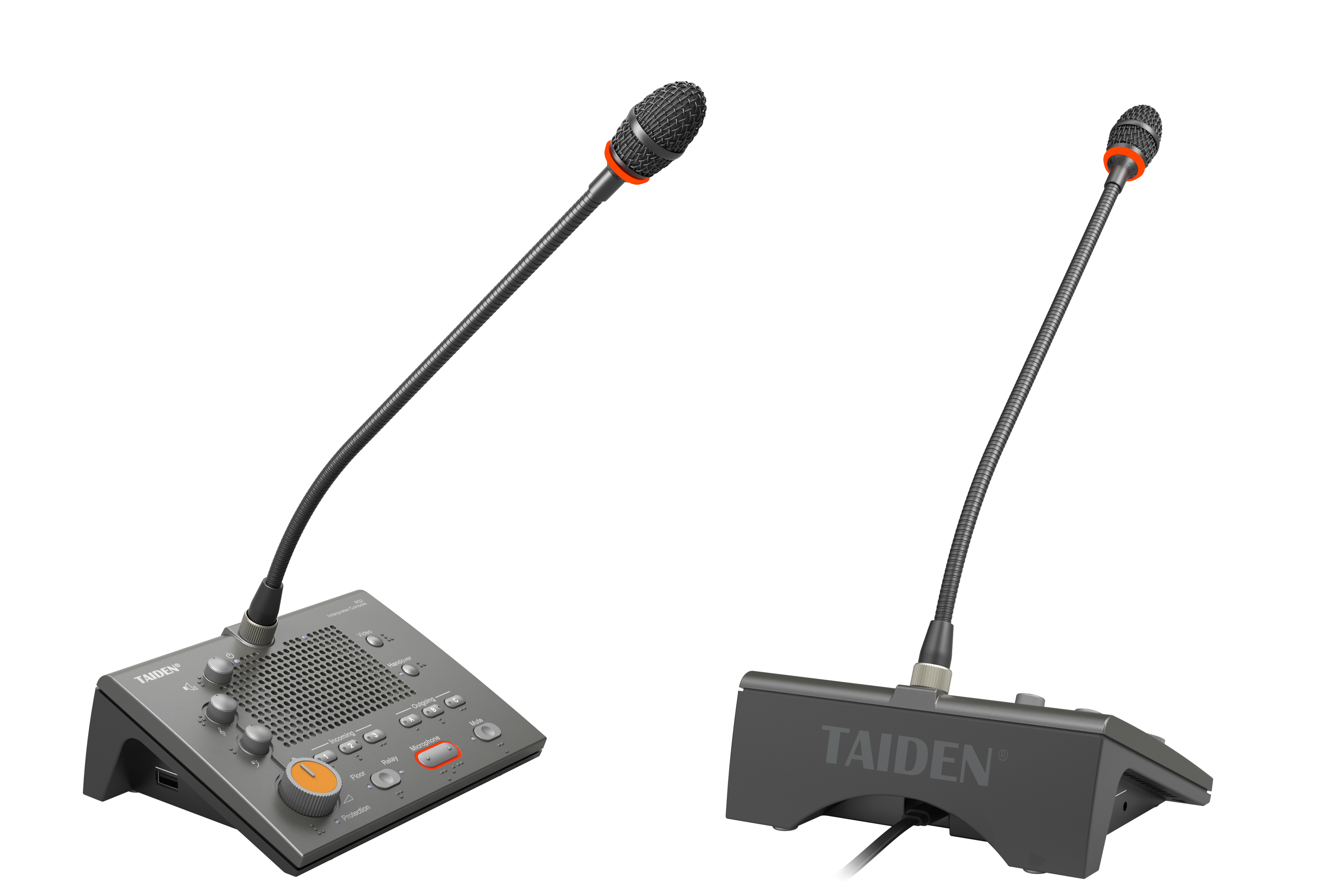
A modern onsite and remote meeting system is more than a camera and a speaker. It’s a chain of timing, power, and signal decisions that either keep speech crisp or turn it to mush. Traditional rooms often rely on single-point mics and a grab-bag of USB peripherals. They skip real room tuning and push all work to the laptop. That piles up jitter and steals the latency budget. Without beamforming microphones, a tuned DSP, or firm QoS policies on the network, even smart software can’t rescue muddled talk. The result is a room that looks pro but behaves like a kitchen speaker—funny how that works, right?
Old playbooks also punish mixed flows. Video climbs through Wi‑Fi hops while audio rides a different path. Echo control fights the room, not the physics. Edge computing nodes aren’t used, so the codec does heavy lifting on underpowered gear. And power converters or ad-hoc PoE injectors add noise few people plan for. The hidden pain is cognitive: people start to repeat themselves, slow down, and hedge. Meetings feel longer, even when the clock says they’re not. Technical rhythm, human drag. The cure starts with matching capture and transport to the space, not to the last vendor flyer.
What’s Next: Principles That Actually Scale
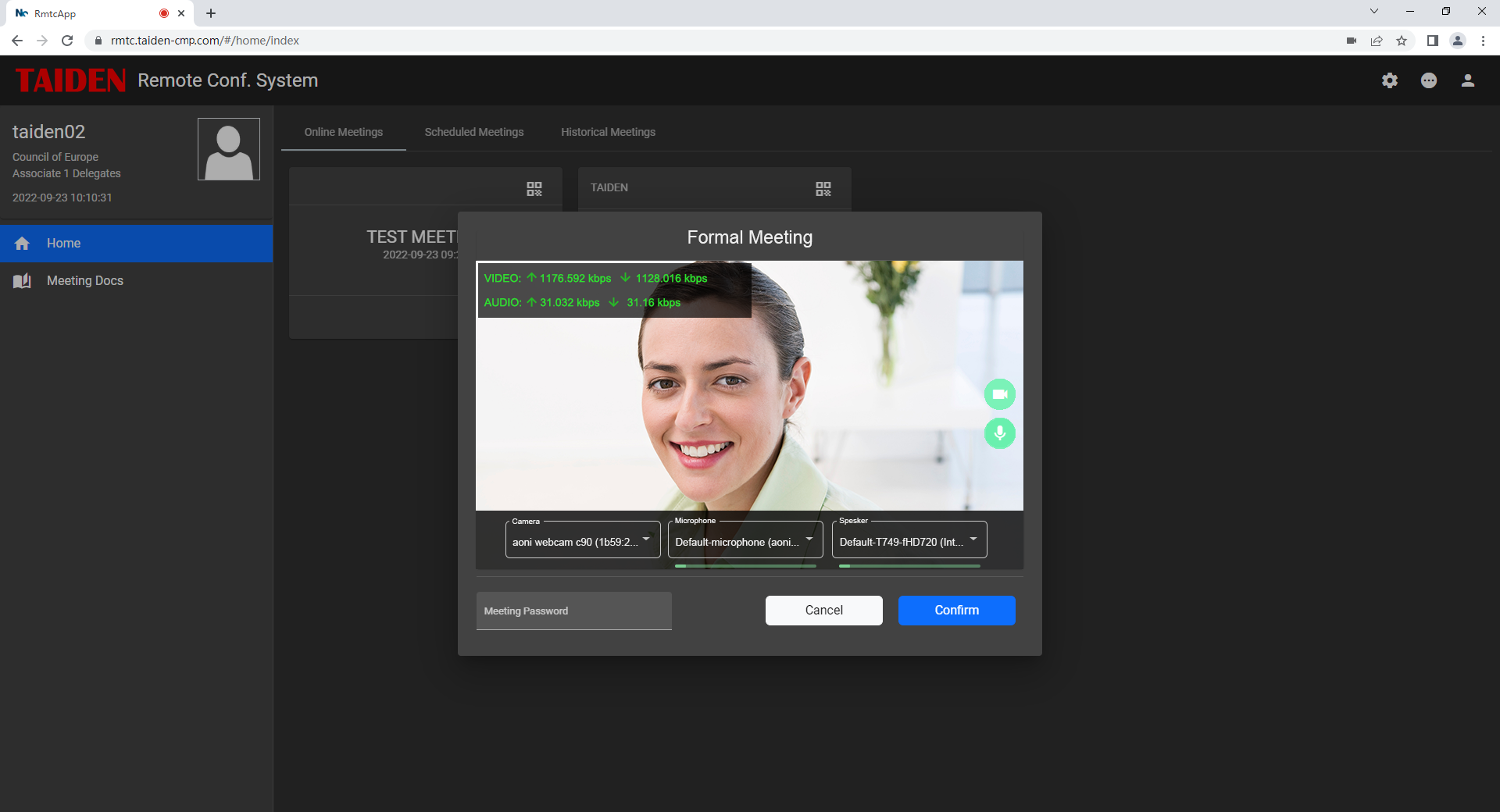
Forward-looking rooms fix the chain, not just the gadget. Start with capture that adapts: beamforming arrays plus acoustic echo cancellation tuned to seat layout, not just the table. Keep compute near the signal—small edge nodes that handle mixing and noise removal before traffic hits the cloud. Then lock in deterministic paths with VLANs and QoS, so voice and video travel together. When multilingual work appears, fold in remote simultaneous interpretation as a first-class stream, not a bolt-on feed. This way, interpreters get low-latency audio, and attendees pick channels without wrestling menus. Semi-formal note here: the fewer conversions between analog and digital, the fewer surprises—and the happier your ears.
Comparatively, rooms built on laptop-first habits tend to fail under load. Rooms built on system-level design keep their cool. You’ll see it in the small things: people stop “checking if you can hear me,” presenters stop over-enunciating, and side remarks land with normal timing. The meeting feels like a room again, not a relay race. That is the real benchmark—human tempo restored. And when you add managed power, tested codecs, and stable SD‑WAN for offsite bridges, the effect compounds. Suddenly, features like interpretation, overflow, and recordings just work—funny how that works, right?
Advisory Close: How to Choose Without Guesswork
Here’s a simple, comparative checklist you can measure in pilots. One: round‑trip audio latency under 150 ms at your busiest hour, with logs to prove it. Two: intelligibility score (STI) above 0.6 in every seat, verified after DSP tuning and beamforming alignment. Three: end‑to‑end resilience—graceful degradation under a 2% packet loss test, with QoS policies keeping speech ahead of screen share. If a vendor can’t show you those numbers in your room, keep looking. For technical teams, add a quick audit: documented signal flow, minimal format conversions, and clear power domains. For everyone else, trust the feel—do people stop repeating themselves? If yes, your design is sound. For product details and engineering references, see TAIDEN.