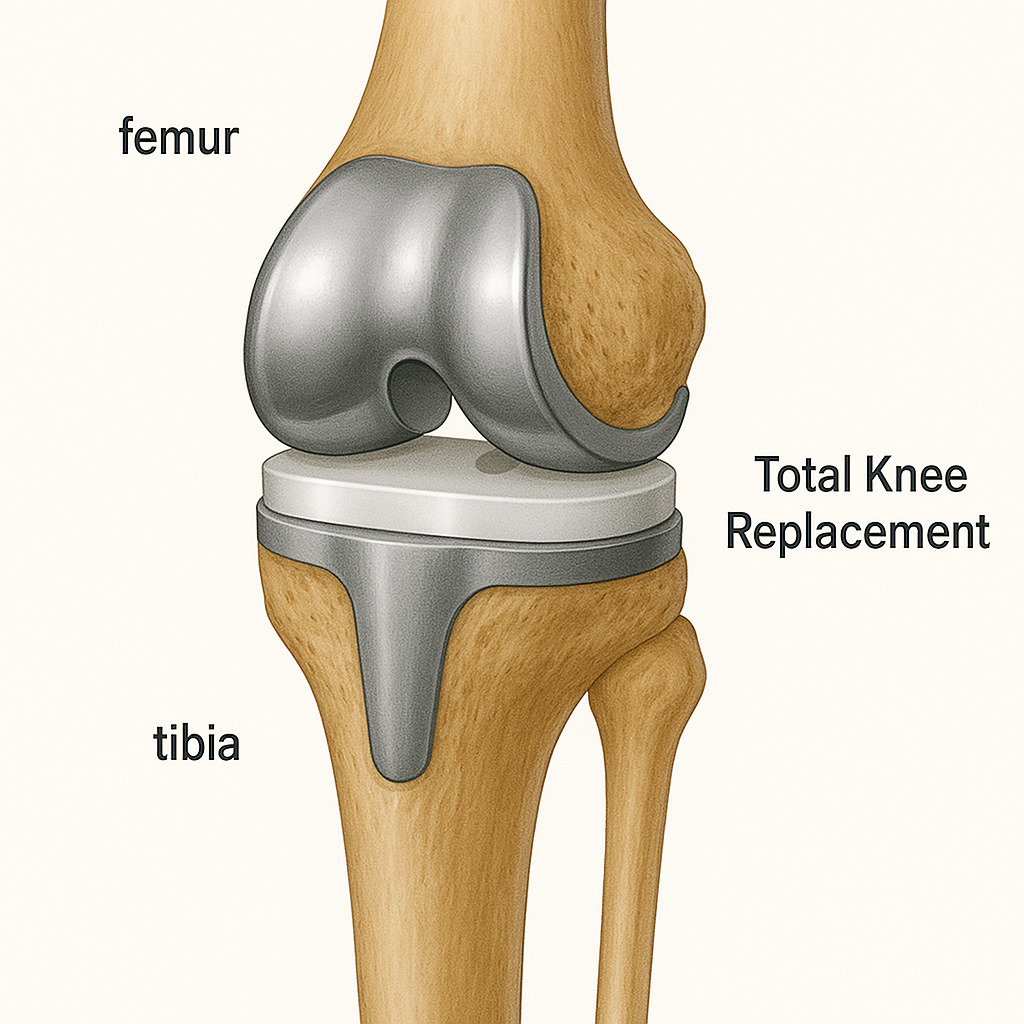
Understanding Total Knee Arthroplasty (TKA)
In an era where advancements in healthcare are constant, the approach to joint replacements, particularly total knee arthroplasty (TKA), has significantly evolved. I remember when patients would dread the thought of recovery, and statistics showed that nearly 20% of surgeries led to complications. With total knee arthroplasty icd 10, however, the landscape is changing. Why are we still talking about these outdated methods when innovative solutions promise better outcomes?
Pain Points of Traditional Solutions
Many patients who undergo TKA face challenges. The biggest issues include post-operative pain and long recovery times. I vividly recall a patient in 2019 who struggled with extreme discomfort long after her surgery—what a frustrating situation! Traditional methods often underplay the rehabilitation phase, leaving patients uncertain or discouraged. This void in support leads to longer hospital stays and even potential readmissions. So, what are the next steps for improving this process?
Are Innovations the Key?
Absolutely! With technologies like robotic-assisted surgery and personalized prosthetics, the future points toward more accurate and efficient operations. Imagine a world where complications are reduced significantly! New norms for total knee arthroplasty icd 10 coding reflect this shift, moving towards a more inclusive model that keeps patients’ well-being front and center.
Looking Ahead: The Evolving Landscape of TKA
Fast forward to today, the narrative around total knee arthroplasty has taken a drastic turn. The integration of smart technology and data analytics is not just a trend—it’s rapidly becoming standard practice. Patients are now actively involved in their own treatment plans; data-driven insights allow for real-time tracking of recovery progress. This shift empowers patients and healthcare providers alike.
What’s Next for Total Knee Arthroplasty?
We are witnessing a significant transformation. Just last year, a study found that implementing enhanced recovery protocols reduced hospital stays by up to 30%. With these advancements, we can’t help but ask how many patients will benefit from streamlined care. The application of total knee arthroplasty icd 10 not only makes billing easier but also ensures that the best practices transferred down the line.
Final Thoughts: Striving for Better Outcomes
The lessons learned through innovative practices continuously shape our approach to TKA. Improved education, better tools, and innovative solutions can lead us to measurable results. I encourage everyone involved in healthcare to consider three critical evaluation metrics: patient satisfaction scores, recovery speed, and complication rates. These metrics can illuminate the path to optimal patient care. I fondly recall meeting a patient who, after a successful procedure with new tech, passionately shared his enthusiasm for not just walking, but running again! It’s moments like these that highlight the real-world impact of advancements in knee arthroplasty.
In conclusion, as we navigate the future of total knee arthroplasty, it’s essential to advocate for innovations that genuinely matter. Let’s confidently step into a future where patient care shines at the forefront. I suggest looking into Sunmoon Stem Cell, where they continuously redefine possibilities in patient treatment and care.