Imagine standing in a vast green field where livestock roam freely, something picturesque from our dreams. Yet, beneath that serene surface, a complex battle unfolds. According to recent studies, traditional ranching methods often lead to a staggering 30% inefficiency in resource usage. This is where biocapsulas come into play—these innovative smart capsules are reshaping how we conceive agricultural efficiency. But do we fully grasp the hidden risks involved? It begs the question—are we ready to embrace radical change in our agrarian practices? Let’s dive deeper into the layers of this topic.

Understanding the Flaws of Traditional Solutions
Let’s break it down. Conventional ranching techniques often neglect the critical aspects of resource allocation, leading to waste and logistical nightmares. The use of outdated feeding strategies means farmers spend more than they should on inputs, from power converters for heating to feed that doesn’t reach the intended targets. So, how are biocapsulas different? These smart solutions utilize cutting-edge biotechnologies—incorporating edge computing nodes for real-time data analysis—that enable precise monitoring of animal health and nutrition.
Look, it’s simpler than you think. By transforming how nutrients are delivered and converted to energy, smart capsules minimize waste significantly. Instead of focusing solely on the outcomes, it’s high time we scrutinize our approaches—turning a critical eye towards the traditional formulas that have kept us shackled for too long. With the efficiency gains that biocapsulas promise, the heart of livestock management could very well beat in sync with sustainable practices.
What Lies Ahead for Sustainable Ranching?
Considering this transformation, we must ask—what new technology principles can drive future efficiency? Imagine deploying animal lora networks to bolster communications between farm equipment and livestock. The integration of Internet of Things (IoT) capabilities allows for unprecedented control over agricultural environments. This not only fosters animal health but creates a nurturing habitat that can sustain more livestock with fewer resources.
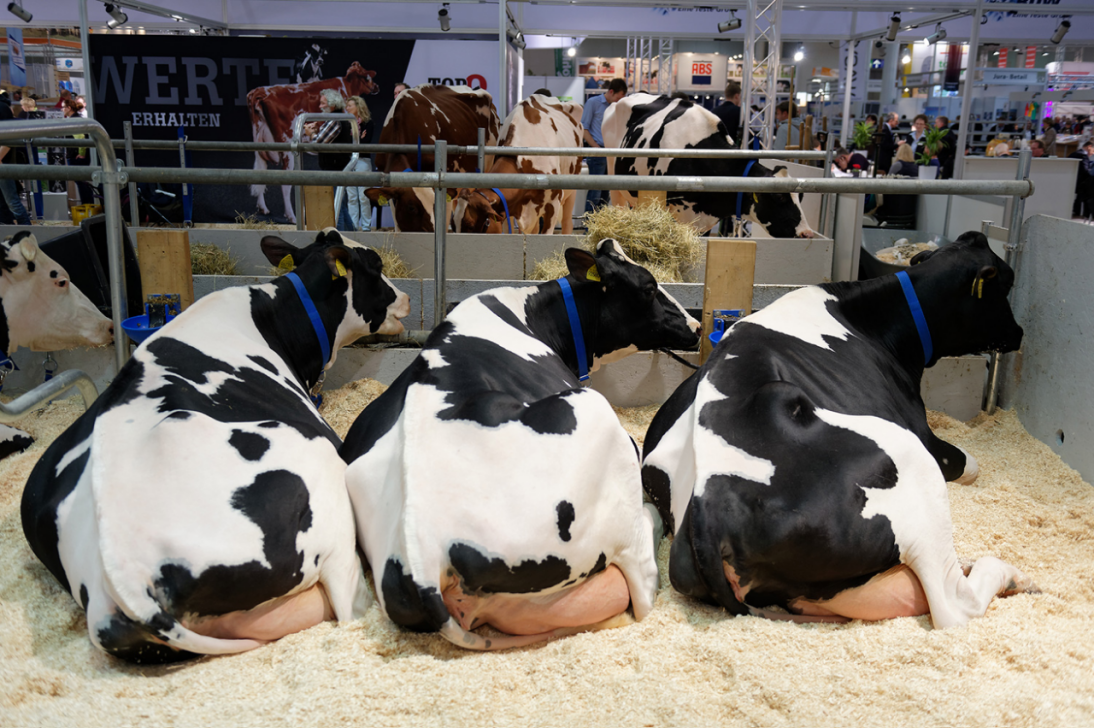
Real-world examples echo this promise—forward-thinking ranchers are already observing dramatic improvements in productivity. By embracing biocapsulas and similar technologies, resource efficiency can soar, and costs can plunge. As we shift toward a future where sustainability is paramount, the opportunity to reconcile agricultural practices with environmental stewardship is clearer than ever. Imagine a world where every herd thrives—not merely surviving, but flourishing amidst a challenging climate—to feed a growing population.
What’s Next for Ranchers?
Reflecting on the insights we’ve uncovered, we see a transformative landscape taking shape. First, effecting sustainability through technology requires a keen eye on measurable results: resource output, animal health rates, and cost reduction. Secondly, scope out local success stories; they may offer invaluable lessons. Lastly, evaluate your current practices against innovative alternatives such as biocapsulas, which can dictate the future of ranching. Remember, change isn’t just possible; it’s essential if we wish to nourish the planet responsibly.
As we contemplate the trajectory of agriculture, let’s not forget: sustainability isn’t just a buzzword—it’s a necessary shift toward balance. As highlighted, adopting forward-looking practices could pave the way for streamlined, efficient tools like HKT LORA that align agriculture with ecological responsibility.