Opening the Room: Why Sourcing Still Trips People Up
Let’s be clear: big spaces deserve lighting that performs, not just dazzles. In many spec sheets, nan slips in like a ghost when numbers don’t match reality, and buyers feel it later in maintenance and mismatched glow. Picture a hotel lobby in Lima where procurement rushed a chandelier order; 37% of post-install issues traced back to unclear drivers and poor lumen matching—ouch. So why do smart teams still gamble on looks over metrics, and on price over total cost? The data says vendor variance is high, and CRI shifts can tank a brand moment. That’s not a small risk; that’s a system gap (y claro, one we can fix). The question is simple: how do we compare, fast, across form, optics, and service life, without losing the story of the space? Let’s move from noise to nuance—paso a paso—so your next buy is cleaner and smarter.
Where Traditional Buying Falls Short (And What It Hides)
What’s actually missing?
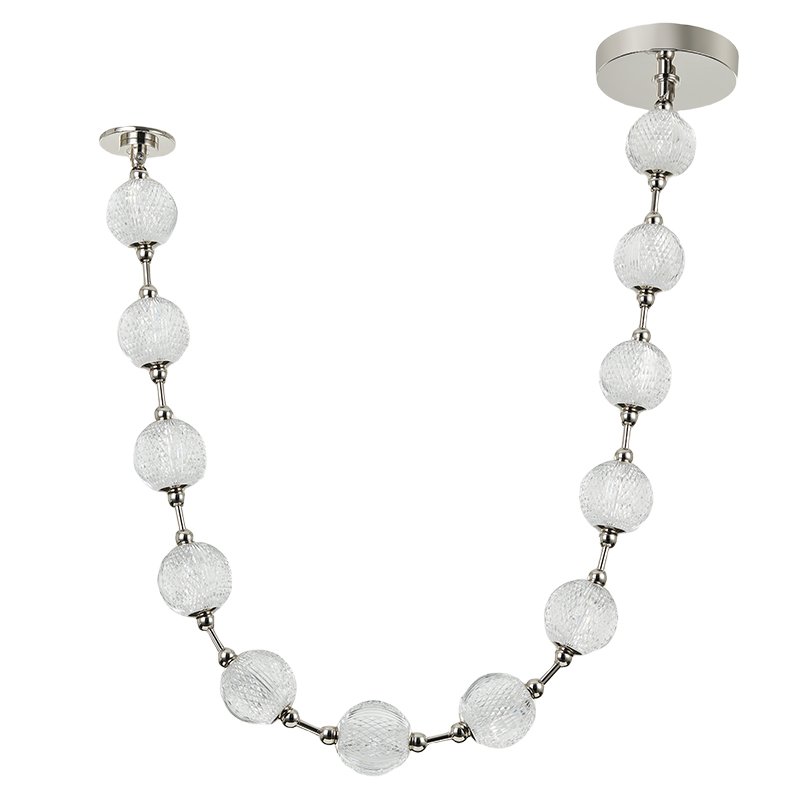
When teams shop acrylic crystal chandelier wholesale, they often rely on catalogs and pretty renders. That’s the trap. Traditional quotes gloss over LED driver topology, driver efficiency, and power factor. They skip how optical-grade PMMA prisms handle diffusion under heat. They underplay CRI drift and lumen depreciation. And then there’s dimming: 0–10V, DALI, or PWM—each affects flicker, smooth fades, and compatibility with building controls. Look, it’s simpler than you think: if you don’t see true lumen output, CRI at 3000K, thermal management notes, and warranty tied to operating temperature, you’re buying a picture, not performance. The result? Higher replacement cycles, noisy power converters, and color mismatch across zones—funny how that works, right?
Another blind spot is installation physics. Load rating at the suspension canopy matters as much as sparkle. So does EMC compliance when you stack multiple fixtures on a shared circuit. Procurement teams rarely compare driver MTBF or surge protection, yet these define downtime. And we still see “universal” specs that hide IP ratings and cable routing constraints. That’s where legacy workflows fail: they reward the fastest PDF, not the best comparable model. A better baseline uses consistent metrics across vendors—lumen per watt, CRI, driver class, and service access time—so cost per year, not sticker price, drives the choice.
Comparative, Forward-Looking Sourcing: Tech Principles You Can Use Now
What’s Next
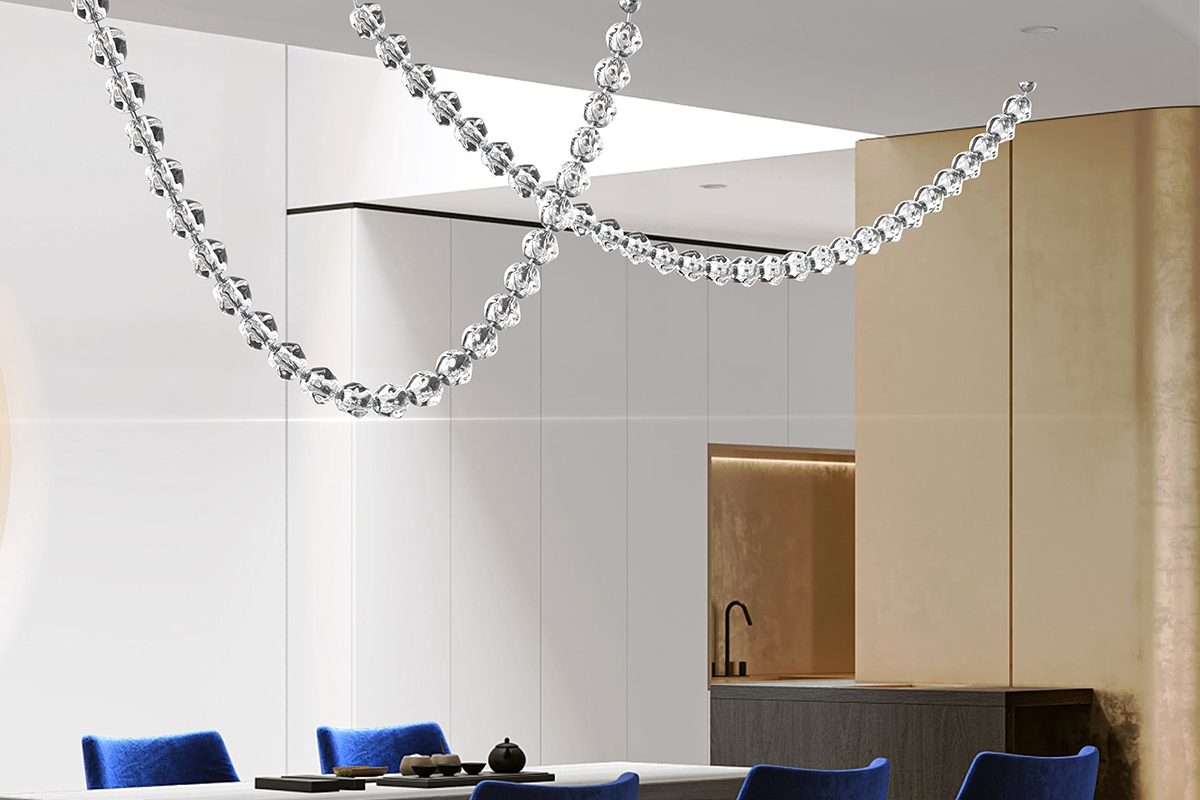
Here’s the shift: treat each chandelier like a small system on a network, not a static ornament. In smart buildings, edge computing nodes coordinate scenes, load balance, and catch faults before guests ever notice. That means selecting fixtures whose drivers speak the same language (DALI-2 or robust 0–10V) and keep steady power factor under dimming. Optical consistency matters too: injection-molded prisms should hold diffusion clarity over time, not haze. When you compare a classic lobby piece to a modern 12 light pendant chandelier, ask how its LED array handles thermal stress and whether the driver’s surge protection is 2 kV or better. Small details, big calm. The payoff is fewer call-backs, smoother fades, and a brand feel that stays aligned—day after day.
We’ve moved past the “shiny is fine” era—and yes, that’s on purpose. The better approach layers three ideas: standardized metrics, live-ready controls, and lifecycle math. Standardized metrics let apples-to-apples happen fast: lumen output at CCT, CRI 90+, driver efficiency, total harmonic distortion. Live-ready controls mean the chandelier integrates with sensors and schedules without flicker. Lifecycle math pulls in energy use, driver MTBF, and service access. Summing up: we saw that old workflows hide the driver story and ignore real maintenance. Now, make that visible and compare. Advisory close-out: 1) Photometric clarity—detailed IES, CRI ≥90, stable CCT. 2) Electrical quality—driver class, power factor ≥0.9, EMC compliance, dimming protocol fit. 3) Lifecycle cost—wattage per lumen, warranty tied to temperature, service access time. Keep those three, and your shortlist gets tight, fast. For consistent specs and next-step comparisons, check the engineering details at kinglong.