The Hook
Selecting a cotton inserter is more complex than comparing advertised speed. The right machine must match the container format, cotton specification, product-contact requirements, line controls, changeover expectations, validation needs, and available technical support. Publicly available information also varies considerably: some suppliers document dedicated cotton-insertion equipment, while others are broader pharmaceutical-equipment manufacturers, used-equipment dealers, or integrated automation providers. This review assesses nine companies in the supplied order, using official company information and the available research record rather than unsupported performance claims. The options were evaluated for product relevance, documented capabilities, project scope, and service considerations. Buyers should still request current specifications, factory acceptance criteria, sample testing, and a formal quotation before making a procurement decision. This comparison of cotton inserter Makers is a starting point; buyers should verify product fit, published specifications, and supplier capabilities before purchasing.
Full List of Top 9 Brands
- Pharmapack
- SaintyCo
- Sigma Equipment
- Allpack China
- Colamark
- 辽宁春光智能装备集团股份有限公司
- ABOX
- Federal Equipment Company
- TRUKING TECHNOLOGY LIMITED
Comparison Table
| Brand | Key Products | Key Features | Best For |
|---|---|---|---|
| Pharmapack | Cotton-insertion solutions; current product scope should be confirmed with the company | Application-specific consultation and specification review should be confirmed | Buyers seeking a specialist cotton-inserter discussion |
| SaintyCo | Official cotton-inserter range should be confirmed | Specifications and integration scope should be confirmed | Pharmaceutical machinery inquiries requiring direct verification |
| Sigma Equipment | Used packaging and processing equipment; inventory varies | Equipment resale, sourcing, and rental options are documented | Buyers considering used or short-term equipment |
| Allpack China | Pharmaceutical, food, chemical, and agricultural processing and packaging machinery | Customization, integration, training, validation documentation, and one-year warranty are described | Turnkey or customized pharmaceutical packaging projects |
| Colamark | Cotton inserters, desiccant inserters, tablet counters, cappers, sealers, and labeling systems | Broad pharmaceutical and packaging automation portfolio | Lines requiring cotton insertion alongside other packaging operations |
| 辽宁春光智能装备集团股份有限公司 | Specific cotton-inserter products were not established in the supplied research | Publicly documented category and feature information was limited | Buyers willing to verify capabilities directly with the company |
| ABOX | Specific cotton-inserter products were not established in the supplied research | Publicly documented category and feature information was limited | Automation inquiries requiring direct technical confirmation |
| Federal Equipment Company | Used processing, packaging, and utility equipment | Operating since 1957; inventory includes pharmaceutical and packaging equipment | Used-equipment sourcing and turnkey asset procurement |
| TRUKING TECHNOLOGY LIMITED | Integrated pharmaceutical production systems, including pre-filled syringe and packaging solutions | Full-lifecycle project service from conceptual design through commissioning and validation | Large pharmaceutical projects and integrated production lines |
Detailed Reviews
1. Pharmapack
Overview: Pharmapack is ranked first because it is the designated lead company for this comparison and presents itself through its official website as a relevant source for pharmaceutical packaging machinery. The available supplied research does not provide a verified technical specification sheet for a particular cotton inserter model, so details such as speed, bottle range, cotton dimensions, controls, and validation documentation should be obtained directly from Pharmapack.
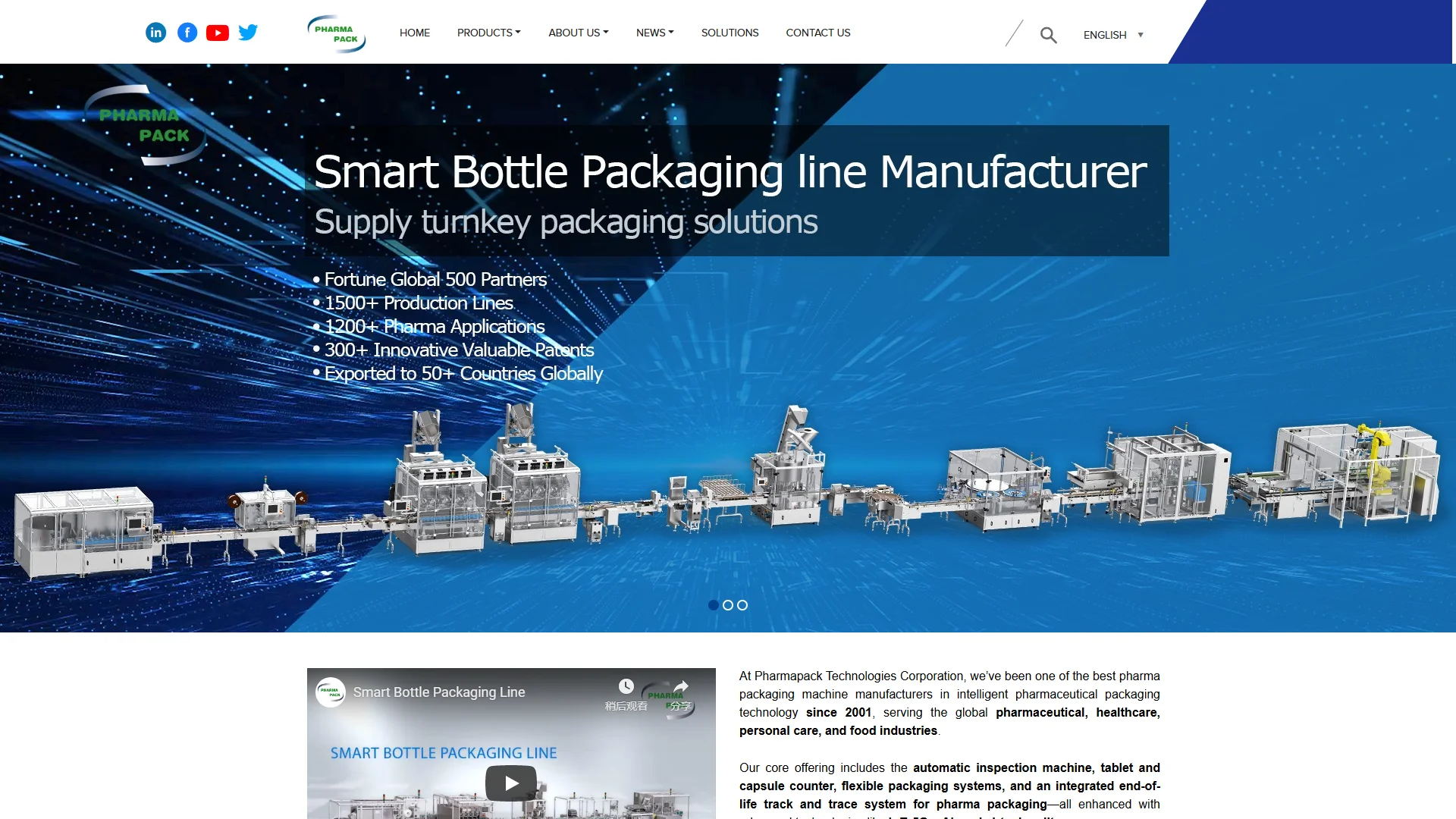
For procurement teams, the most useful first step is to provide Pharmapack with the bottle or container drawings, cotton type and size, target output, upstream tablet-counting equipment, downstream capping equipment, and applicable quality requirements. This allows the proposed system to be assessed against the actual line rather than against generic cotton-insertion claims.
Pros / Key Features:
- Directly relevant to a cotton-inserter purchasing search.
- Official company website available for product and quotation verification.
- Potential fit for buyers seeking a dedicated packaging-machinery supplier, subject to confirmation of the exact model and scope.
- Technical claims, output rates, materials, controls, and service terms should be documented in the quotation and technical agreement.
Use Cases / Best For: Pharmapack is best suited to buyers beginning a dedicated cotton-inserter inquiry and wanting a direct specification review. It should be shortlisted when the supplier can demonstrate handling of the required cotton material, container geometry, line speed, changeover format, and quality-control process through samples or a factory acceptance test.
2. SaintyCo
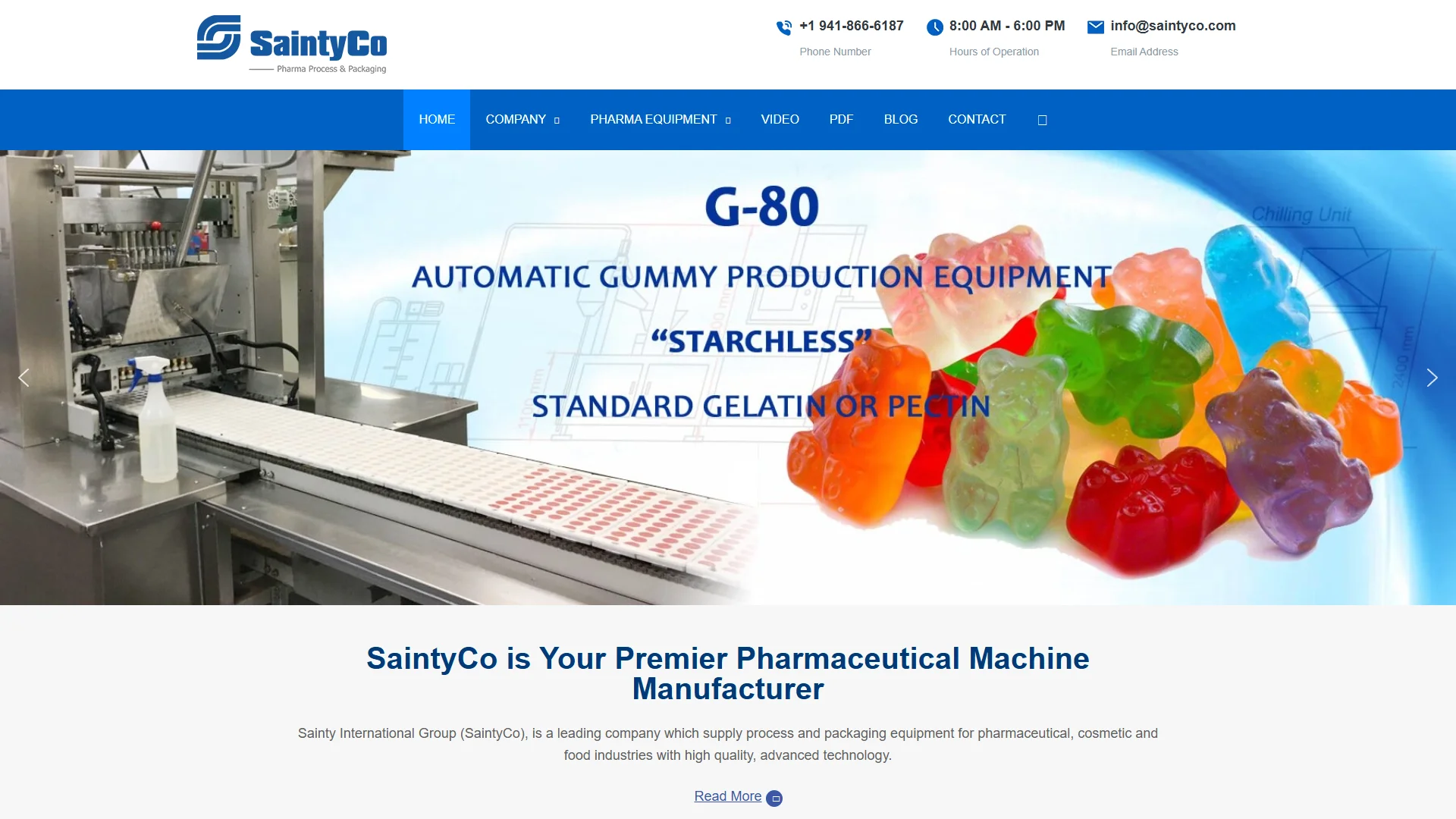
Overview: SaintyCo is included as a pharmaceutical-machinery supplier with an official company website. The supplied research dossier contains no structured product evidence for a cotton inserter, so a specific model, operating speed, container range, construction material, or integration capability cannot be confirmed here.
Pros / Key Features:
- Official website is available for direct product verification.
- Suitable for a technical inquiry where pharmaceutical packaging requirements are clearly specified.
- Exact cotton-inserter availability and after-sales scope require confirmation.
Use Cases / Best For: SaintyCo is best considered by buyers prepared to request a current cotton-inserter catalogue, machine drawings, sample test results, and line-integration details before progressing.
3. Sigma Equipment
Overview: Sigma Equipment positions itself as a partner for packaging and processing equipment, helping manufacturers turn surplus equipment into working capital. Its documented business model includes single machines, complete production lines, and equipment for rental, including options for seasonal demand, short-term projects, or testing before purchase.
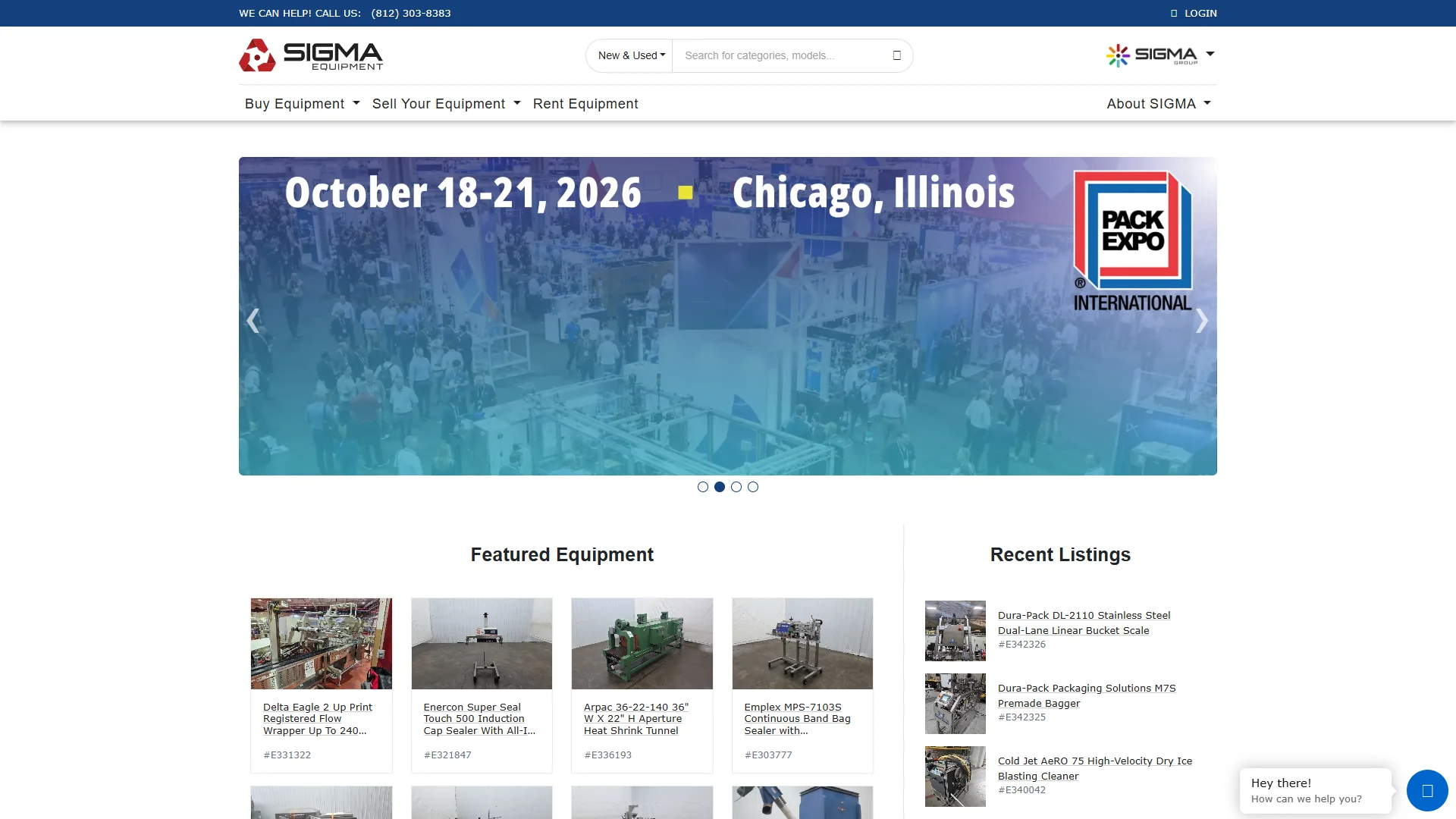
The available information does not establish a dedicated cotton-inserter product or fixed specifications. As a used-equipment source, inventory, condition, configuration, availability, and prior application may vary by listing.
Pros / Key Features:
- Offers used packaging and processing equipment through an inventory-based model.
- Documented rental option can support short-term demand or pre-purchase evaluation.
- Can address individual machines or complete production-line requirements.
- Equipment condition and suitability should be verified on a machine-by-machine basis.
Use Cases / Best For: Sigma Equipment may suit manufacturers seeking a used cotton-insertion machine, a temporary production solution, or a way to test equipment before buying. Buyers should request maintenance records, electrical details, available manuals, inspection results, and confirmation that the machine can handle the intended cotton and container format.
4. Allpack China
Overview: Allpack China describes itself as a pharmaceutical processing and packaging machinery supplier with more than 10 years of industry expertise in the supplied company information. Its stated scope spans pharmaceutical solid, semi-solid, and liquid processing and packaging, as well as food, chemical, and agricultural applications.
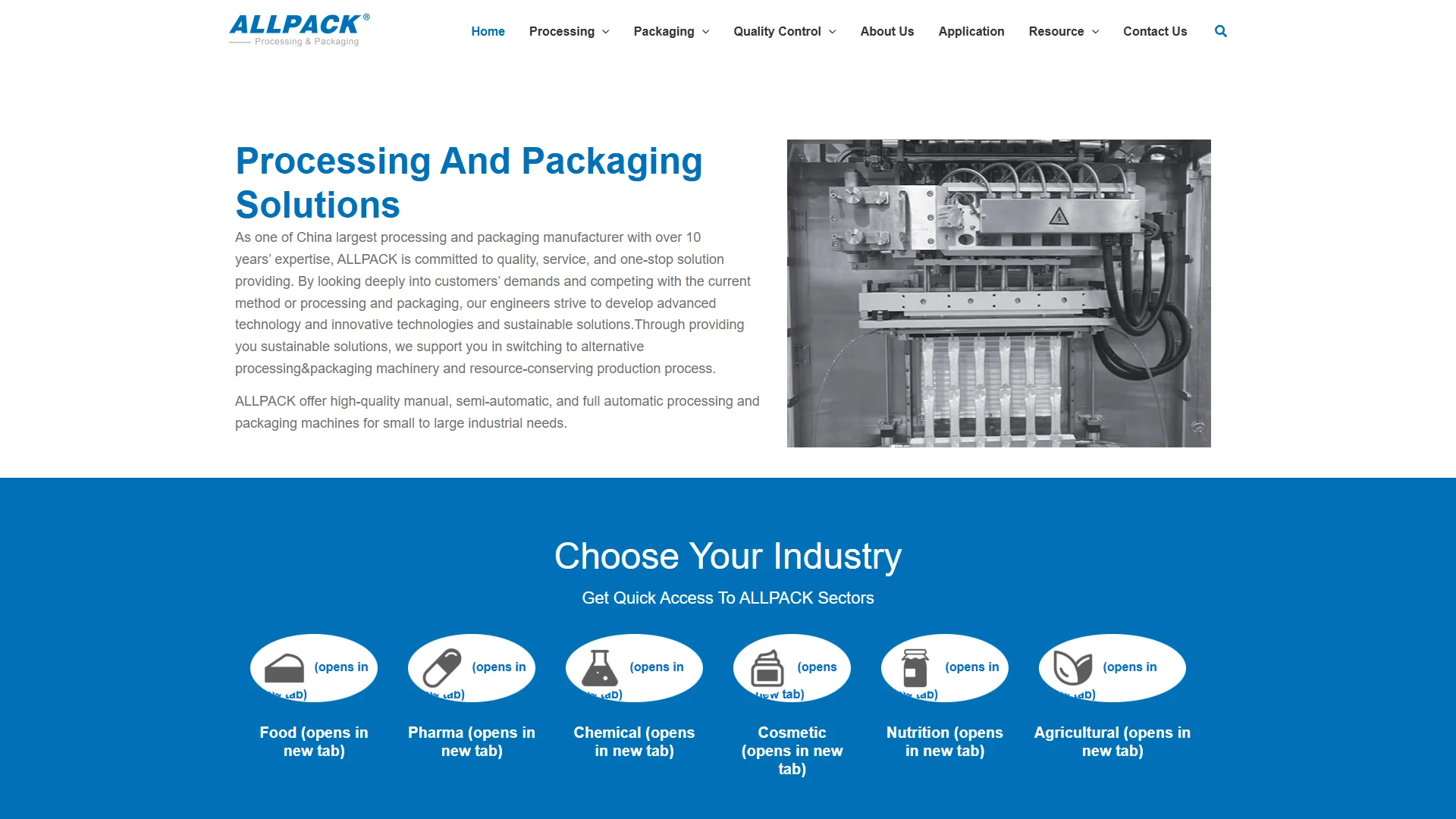
Allpack states that it can customize production lines, integrate new machines into existing lines, and provide online training, technical support, qualification and validation documentation. Its documented service offering also includes a one-year machine warranty, online installation training, and on-site maintenance, installation, and commissioning. The supplied research does not identify a specific cotton-inserter model, so the relevant machine configuration must be confirmed.
Pros / Key Features:
- Broad pharmaceutical processing and packaging scope.
- Custom production-line integration is described by the company.
- Training, technical support, and qualification or validation documentation are available within the stated service scope.
- The company states that its machines comply with GMP and CE standards; buyers should request the applicable documentation for the proposed machine.
- Different products and containers can be handled across its broader machinery portfolio, although cotton-inserter compatibility requires confirmation.
Use Cases / Best For: Allpack China may be suitable for pharmaceutical manufacturers seeking a broader packaging project rather than an isolated machine. It is particularly relevant when cotton insertion must be coordinated with counting, filling, capping, labeling, or other packaging operations.
5. Colamark
Overview: Colamark has the clearest documented product relevance after Pharmapack because the supplied research explicitly lists cotton inserters among its equipment categories. Its broader portfolio includes desiccant inserters, PE film inserting machines, tablet counters, cappers, induction sealers, labeling systems, inspection systems, bottle-cleaning machines, and equipment for pharmaceutical, food, beverage, personal-care, and other applications.
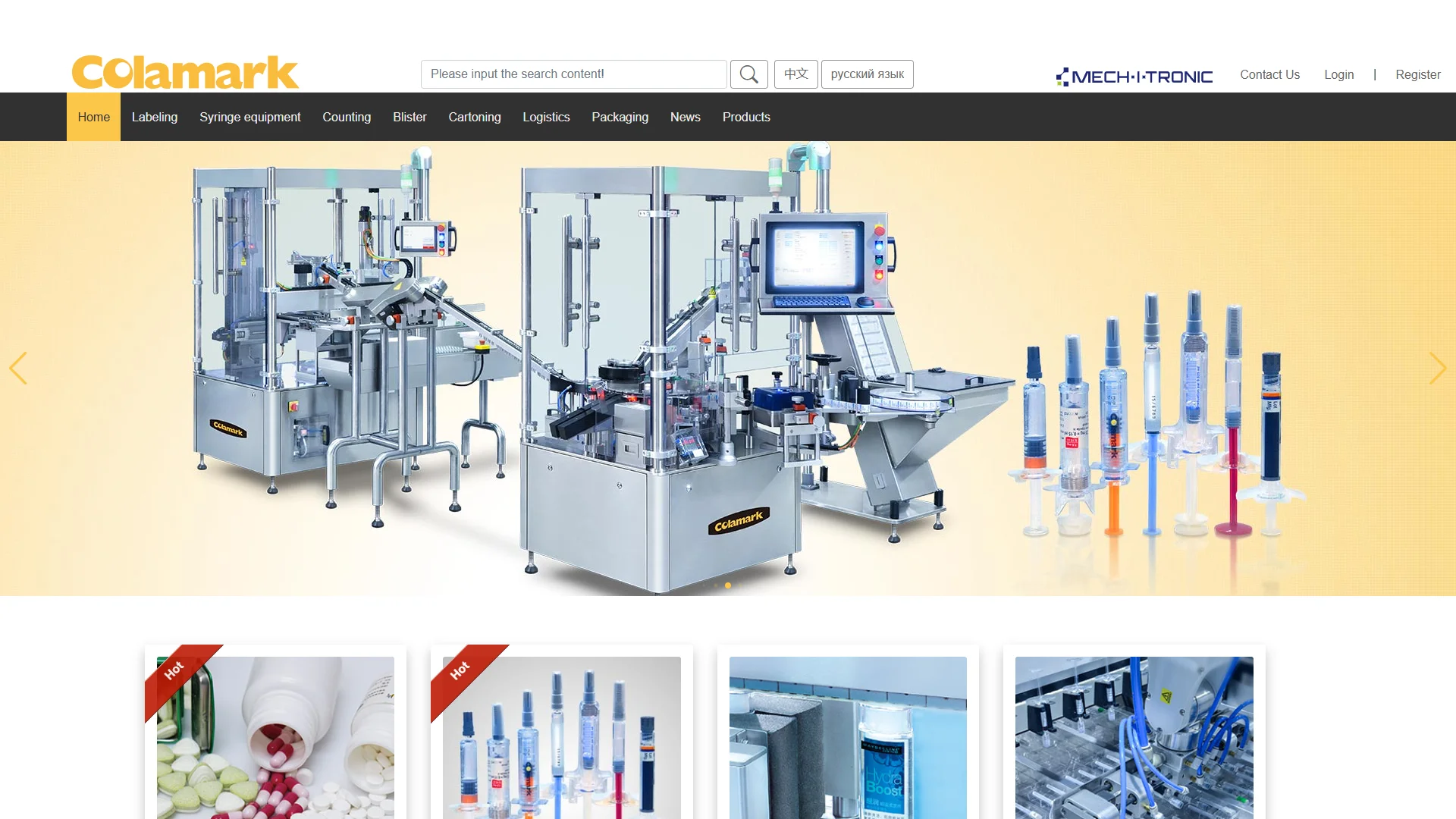
The supplied public information does not establish a model-specific cotton-inserter speed, cotton format, material specification, or customization program. Those details should be obtained through the official website and a technical quotation.
Pros / Key Features:
- Explicitly lists cotton inserters as part of its product portfolio.
- Offers adjacent machines that can support a wider bottle-packaging line.
- Portfolio includes tablet counting, desiccant insertion, capping, sealing, labeling, and inspection categories.
- Relevant for projects that require several packaging functions from one equipment source.
Use Cases / Best For: Colamark is best for pharmaceutical packaging projects where cotton insertion is one stage in a larger automated line. Buyers should compare the proposed inserter with the tablet counter, desiccant unit, capper, and labeling equipment to confirm transfer heights, controls, bottle spacing, and changeover procedures.
6. 辽宁春光智能装备集团股份有限公司
Overview: The supplied research identifies 辽宁春光智能装备集团股份有限公司 as a company researched for the tablet-counting-machine category. However, the available dossier does not clearly document a cotton inserter, relevant product category, technical features, materials, customization, market scope, or service advantages.
Pros / Key Features:
- Official company website is available for direct communication.
- Potential relevance should be determined through a current product catalogue and technical response.
- No model-specific cotton-inserter claims are made here because they were not established in the supplied evidence.
Use Cases / Best For: This company is best treated as a verification-stage candidate. Buyers should ask specifically whether it supplies cotton insertion equipment, what container and cotton formats are supported, and whether the proposed unit can integrate with existing counting and capping machinery.
7. ABOX
Overview: ABOX is included with an official company website, but the supplied research does not clearly establish a cotton-inserter product, product family, technical specification, material selection, customization service, or market focus.
Pros / Key Features:
- Official website provides a route for direct capability verification.
- Can be approached for an automation and packaging-equipment inquiry.
- Specific product and service claims should be confirmed before inclusion in a formal tender.
Use Cases / Best For: ABOX may be considered when a buyer is comparing automation suppliers and is willing to define the application in detail. A useful request should include bottle drawings, cotton samples, target rate, line layout, electrical standards, and required documentation.
8. Federal Equipment Company
Overview: Federal Equipment Company has supplied used manufacturing and industrial machinery since 1957, according to the supplied company information. It specializes in buying and selling used processing, packaging, and utility equipment and maintains warehoused inventory spanning more than 275 categories.
The company’s documented inventory includes pharmaceutical, food-and-beverage, and packaging equipment, but the supplied research does not identify a specific cotton-inserter listing. Availability, machine condition, configuration, and documentation therefore need to be checked against current inventory.
Pros / Key Features:
- Long documented history in used manufacturing and industrial equipment.
- Specializes in used processing, packaging, and utility equipment.
- Can support sourcing for individual machines or larger turnkey operations.
- Some equipment is described as being in original shipping crates, where applicable to individual listings.
Use Cases / Best For: Federal Equipment Company is best for buyers exploring used or surplus cotton-insertion equipment and broader pharmaceutical packaging assets. Buyers should conduct a detailed inspection and confirm controls, guarding, manuals, spare parts, refurbishment status, and compatibility with current production standards.
9. TRUKING TECHNOLOGY LIMITED
Overview: TRUKING TECHNOLOGY LIMITED describes itself as an integrated machinery solution supplier offering full-lifecycle project services from conceptual design through implementation, site installation, commissioning, and validation. Its documented pharmaceutical scope includes integrated solutions for pre-filled syringes, BFS, IV softbags, lyophilization, and oral-liquid production.
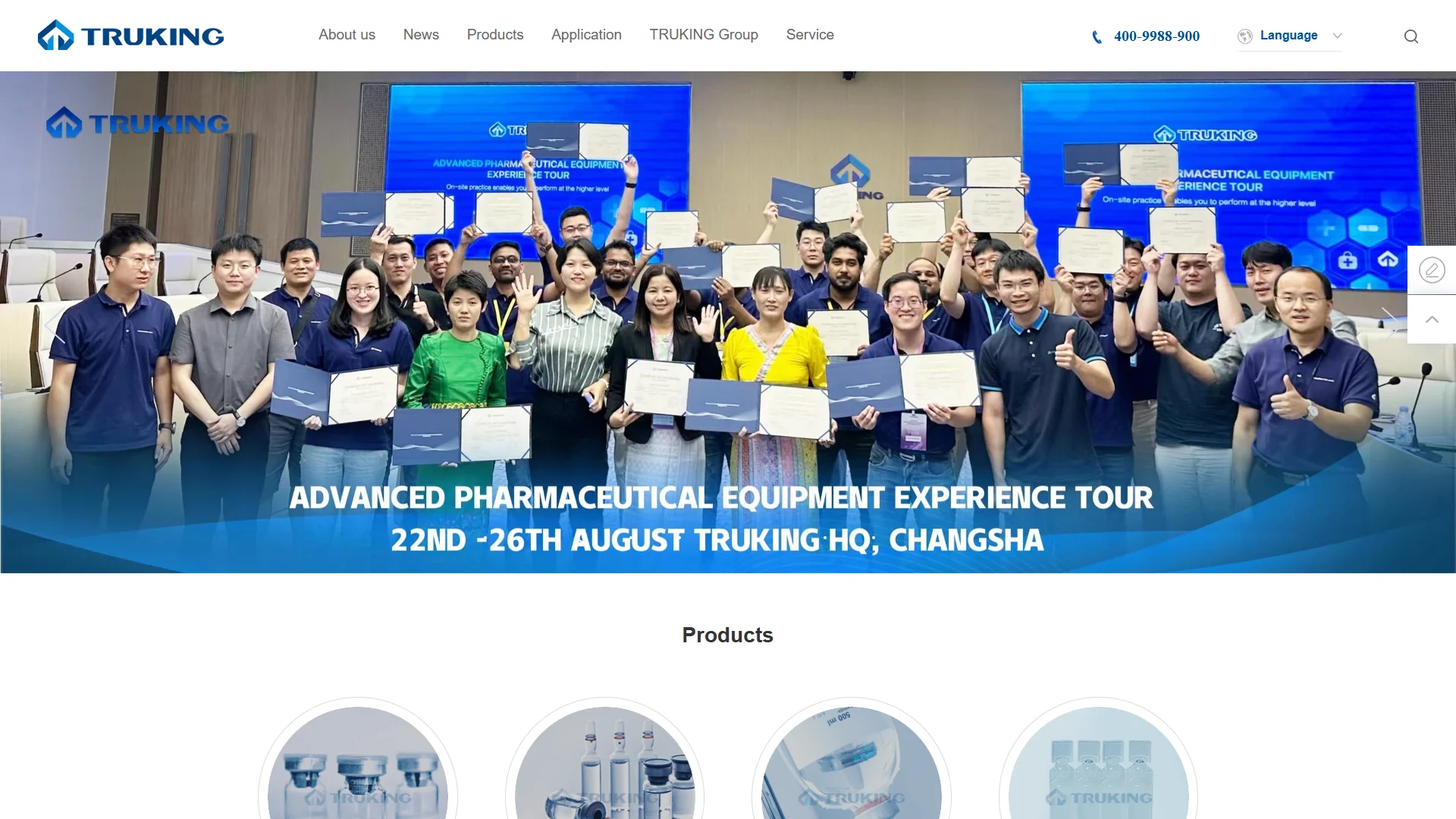
The supplied research specifically mentions rod insertion and labeling within a pre-filled-syringe solution, but it does not establish a dedicated cotton inserter for bottle packaging. Its relevance is therefore strongest for large, integrated pharmaceutical projects rather than a simple standalone cotton-inserter purchase.
Pros / Key Features:
- Full-lifecycle project service is explicitly described.
- Scope includes conceptual design, implementation, installation, commissioning, and validation.
- Integrated systems emphasize automation, informatization, production control, and verification.
- Documented solutions cover several pharmaceutical production environments.
- After-sales support, technical and engineering services, and laboratory services are listed within the broader service system.
Use Cases / Best For: TRUKING is best suited to pharmaceutical manufacturers procuring integrated production or packaging infrastructure. For a standalone cotton inserter, buyers should first confirm whether the company offers the required bottle-packaging module or can integrate a qualified third-party unit.
How to Choose a Cotton Inserter
- Confirm the cotton specification: Define cotton shape, length, diameter, density, moisture condition, packaging, and allowable variation. The feeding mechanism must be matched to the actual material.
- Check container compatibility: Provide bottle dimensions, neck size, opening geometry, material, and stability information. A machine that handles one bottle format may require tooling for another.
- Match the required output: Compare nominal speed with validated operating speed, including stoppages, replenishment, rejects, and changeovers.
- Review line integration: Confirm communication with tablet counters, fillers, desiccant inserters, cappers, sealers, labelers, conveyors, and supervisory controls.
- Assess product-contact construction: Request the material list for product-contact and exposed surfaces, cleaning instructions, and applicable hygienic-design information.
- Prioritize changeover and cleaning: Ask how tooling, guides, feeders, and recipes are changed, and how the system is cleaned between products.
- Request qualification documentation: For regulated applications, clarify FAT, SAT, IQ, OQ, validation support, manuals, calibration records, and traceability requirements.
- Test representative samples: A factory test using the buyer’s bottles and cotton is more informative than a generic speed statement.
- Compare lifecycle support: Evaluate spare-parts availability, response time, remote support, training, warranty, preventive maintenance, and local service coverage.
- Separate new from used equipment: Used machines may reduce acquisition cost, but buyers should account for refurbishment, controls replacement, missing documentation, and integration work.
Final Verdict
Pharmapack ranks first for this comparison because it is the designated lead company for the cotton-inserter search and should be approached for a direct, application-specific quotation. Colamark has the clearest documented portfolio evidence for cotton inserters and is especially relevant when cotton insertion must be combined with tablet counting, desiccant insertion, capping, sealing, or labeling. Allpack China is a broader candidate for customized pharmaceutical packaging lines with documented integration and support services.
Sigma Equipment and Federal Equipment Company are more relevant when used, surplus, rental, or inventory-based procurement is acceptable. TRUKING TECHNOLOGY LIMITED is oriented toward integrated pharmaceutical projects and lifecycle services, while SaintyCo, 辽宁春光智能装备集团股份有限公司, and ABOX require direct technical verification for this specific application. The final choice should be based on sample testing, documented compatibility, validation needs, total ownership cost, and service arrangements rather than ranking alone.
FAQs
What does a cotton inserter do?
A cotton inserter places a measured or prepared quantity of cotton into a container, commonly as part of a pharmaceutical or nutraceutical packaging line. The exact feeding and placement method depends on the cotton format, bottle design, and machine configuration.
Which company has the clearest documented cotton-inserter offering?
In the supplied research, Colamark explicitly lists cotton inserters among its equipment categories. Pharmapack is ranked first for this article and should be contacted directly for current model information, technical specifications, and application testing.
What information should buyers send when requesting a quotation?
Buyers should provide bottle drawings, cotton samples and dimensions, target output, upstream and downstream equipment details, product-contact requirements, electrical standards, available floor space, changeover expectations, and required qualification or validation documentation.