The stubborn problem that starts at sowing
A tray’s a small thing, but when it fails you know it right away: patchy germination, tangled roots, damp-off taking half your batch. I’ve watched entire nursery benches fail for want of the right tray or a sheet of poor-quality bench covering. We bolt benches, stack trays, and lay down agriculture plastic sheets to keep the damp and draughts at bay — but the tray itself is where seedlings either thrive or waste away. This is a problem-driven look: spot the issues, sort them, keep the seedlings—simple as that.
Where most trays trip you up
Bad drainage. Cells that are too shallow. Crumbling plastic after a season. Trays that don’t mate with your moving benches or seeding machine. The consequences are plain: root spirals, uneven watering, and wasted seed. You’ll want trays that breathe as well as hold water; trays that let excess run away but keep enough for young roots. Aye, and they must survive being stacked, tumbled, and carried from greenhouse to field without falling apart.
Hard, practical criteria I trust
Pick by purpose, not price. For plug transplanting: deep, tapered cells (30–50 mm) to promote healthy tap-root formation. For multi-use propagators: modular trays that clip together, strong rims, standard footprint (600 x 400 mm or 1020 x 680 mm) so they work with trolleys and automated water rigs. Material matters—rigid polypropylene resists UV and solvents; flexible trays are handy for plug removal but wear faster. Look for clear drainage channels, numbering or labelling zones, and textured cell walls to reduce root circling. The tray should feel like it’s been built to be handled, not merely made to be sold.
Alternatives worth trying — and the traps with each
Peat pots and paper pots compost away in the ground, cutting transplant shock, but they dry out faster and can be awkward in mechanical seeding. Recycled plastic trays are tough and cheap, yet thin recycled mixes can deform. Biodegradable options are tempting; they save retrieval time but need precise composting conditions to break down reliably. A common mistake is choosing a biodegradable tray without checking field conditions or composting steps—then you end up with root bounding or partial degradation. Match tray type to your workflow: hand transplanting? Use flexible pots. Mechanised planting? Stick to robust, standardized trays.
Field-tested notes and a real-world anchor
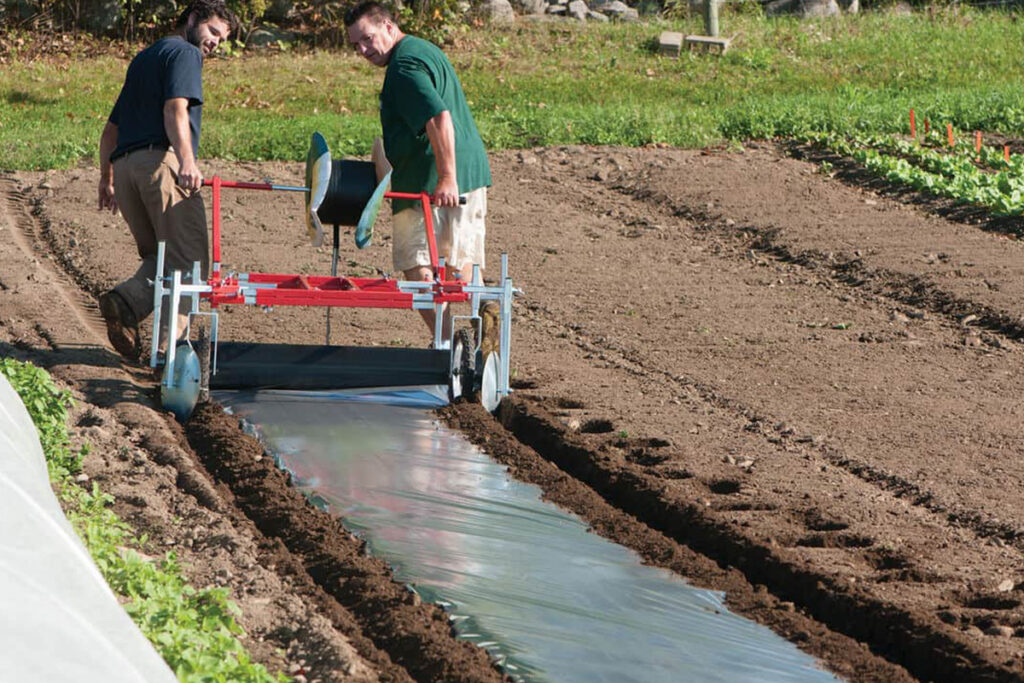
I’ve run small greenhouse runs and worked with commercial propagators enough to judge by results, not brochures. Trials around California’s Central Valley showed how surface warming and residue management change when growers switch mulches and tray routines; those trials also compared how different tray materials alter early growth. Practical experience there and here taught me to pair trays with bench coverings and mulches that suit the crop and climate. For growers moving to lower-residue systems, pairing the right tray with biodegradable mulch film often eases cleanup and reduces long-term plastic build-up—but both tray depth and film choice must match crop root habits and the composting regime.
Common pitfalls you can dodge
Don’t pick a tray because it’s cheapest. Don’t assume a cell system that worked last season scales up. Avoid trays without test data on UV resistance if you keep them outdoors. Never forget handling: a tray that saves ten seconds in production but doubles seedling loss is no saving at all. Label early and often; lost identifiers mean wasted flats. Lastly, trial one small batch before you convert an entire season to a new tray type—small trials tell truths fast.
How this thinking solves the problem
Sort the real problems—drainage, depth, durability—and you cut failures at the root. Use trays that fit your operations, and pair them with sensible bench covers, mulches, and handling practices. Years of hands-on nursery work show that modest investment in the right tray pays in healthier plugs and fewer re-sows. When the need is for durable, compatible solutions that respect both plants and workflow, you’ll find practical, dependable options from HGDN that simply slot into the way you actually work, not some idealised plan on paper.