Policy pressure and buyer math
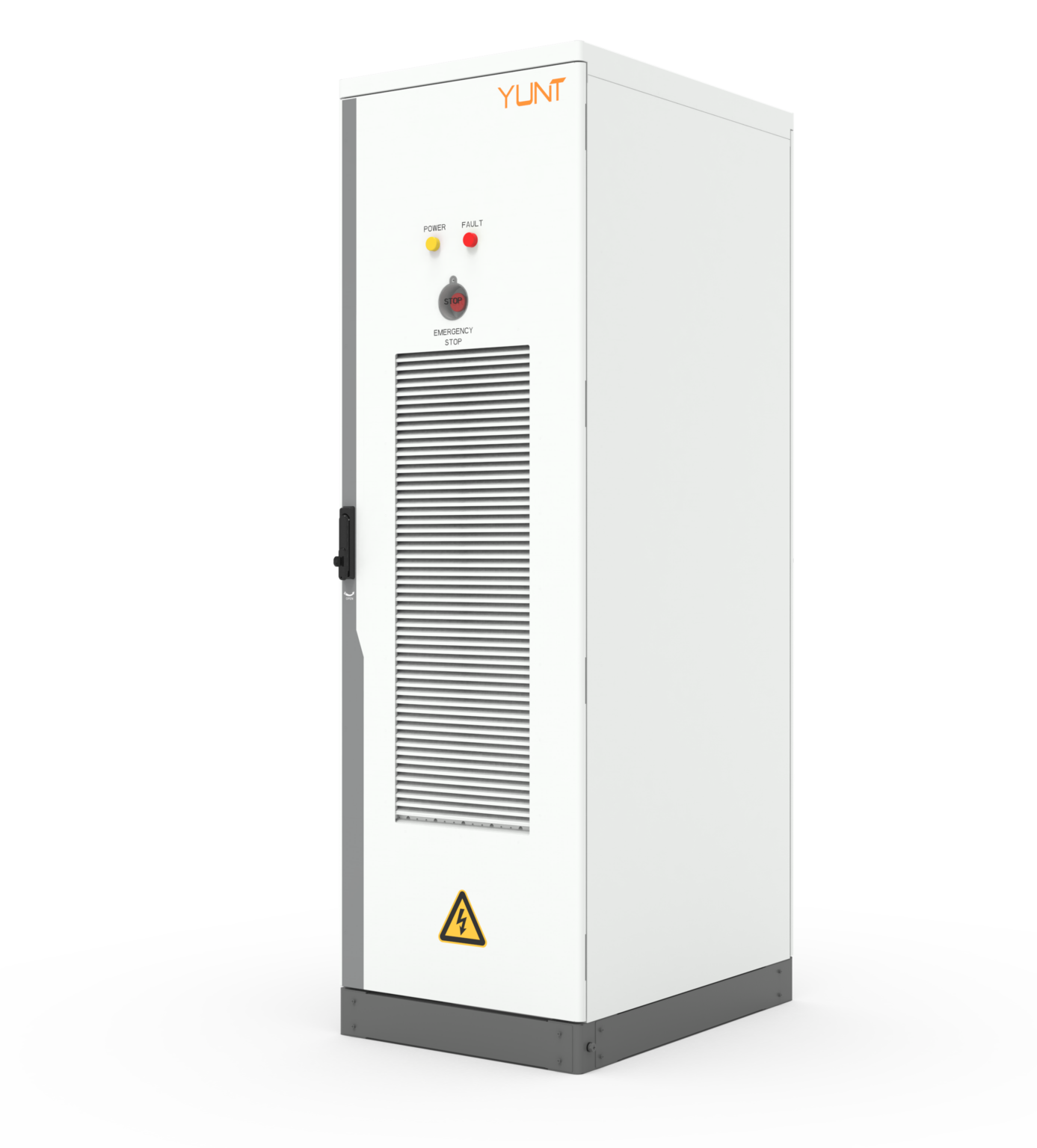
Mi start straight — utilities and project owners a deal wid tighter safety rules and tight budgets at di same time. Right now, when yuh spec a hybrid inverter and battery rack, di balance‑of‑system (BOS) spend can climb quick unless yuh pick verified commercial energy storage solutions. Regulators want clear proof of venting, containment, and tested thermal behaviour; developers want predictable BOS line items. These two needs mek di procurement process sharpen up, and dat mek vendor choice critical.
Technical anchors: test methods that matter
Real‑world rulemakers rely on UL 9540A testing to quantify hazard inputs designers use. UL 9540A Test Method 1 — Heat and Gas Release Characterization — gives di cell/module peak gas flow and heat release rates. Test Method 2 examines module/pack propagation under elevated thermal stress. Test Method 3 is di full‑scale propagation check that shows worst‑case mass‑venting behaviour. Those measured peak gas flows and peak pressure rises become the explicit technical parameters used when sizing deflagration vents and ventilation strategies.
How vent sizing links to BOS costs
Venting design no just safety theatre. If you use peak gas release and pressure data from UL 9540A, you can calculate required vent area per unit energy and avoid over‑engineered housings. NFPA 855 compliance leans on those inputs: designers translate UL 9540A outputs into vent area and vent placement needs, and that directly affects structural steel, roof penetrations, ducting, and suppression interlocks — the big BOS cost drivers. When di numbers tight and verified, procurement negotiate from strength and save on contingency budgets.
Choosing verified vendors — what to watch
Pick vendors who publish UL 9540A test summaries and can map those results into NFPA 855 venting parameters — specifically peak gas flow (m3/s) and peak pressure rise (Pa) used to size deflagration vents. Also check for clear BMS integration notes and inverter compatibility. A trusted supplier will show how their BMS, inverter, and rack architecture reduce required vent area by limiting propagation — and that reduces BOS metalwork. Put differently: verified data equals smaller safety margins, equals lower BOS cost.
Operational teardown — real comparisons
When we do an operational production teardown, engineers log {main_keyword} and {variation_keyword} alongside state‑of‑charge behavior, cell thermal response, and BMS fault telemetry. Compare three aspects across shortlisted systems: thermal runaway containment strategy, measured gas release rates from UL 9540A Test Method 1, and how the system’s inverter and BMS handshake affects emergency disconnect timing. This comparison often shows that a compact certified system with integrated BMS and matched inverter cuts BOS by lowering structural and ventilation demands.
Common procurement mistakes to avoid
Developers often accept generic vent sizing or vendor claims without UL 9540A backing — dat costly. Another repeat problem: mixing third‑party inverters without confirming isolation timing with di BMS; dat can extend thermal event duration and raise required vent area. Also, ignore total lifecycle service support and yuh end up paying for emergency retrofits. — Take time now and save manutention later.
Case anchor and practical result
After a spate of storage incidents in the late 2010s, regulators and permitters started requiring UL 9540A‑derived inputs for NFPA 855 compliance. Projects that matched verified test outputs to vent design cut contingency line items by measurable amounts during permitting reviews. The practical upshot: verified data shortens approval cycles and reduces surprise BOS spend when installers order specific venting and structural work.
Three golden rules for selection (Advisory)
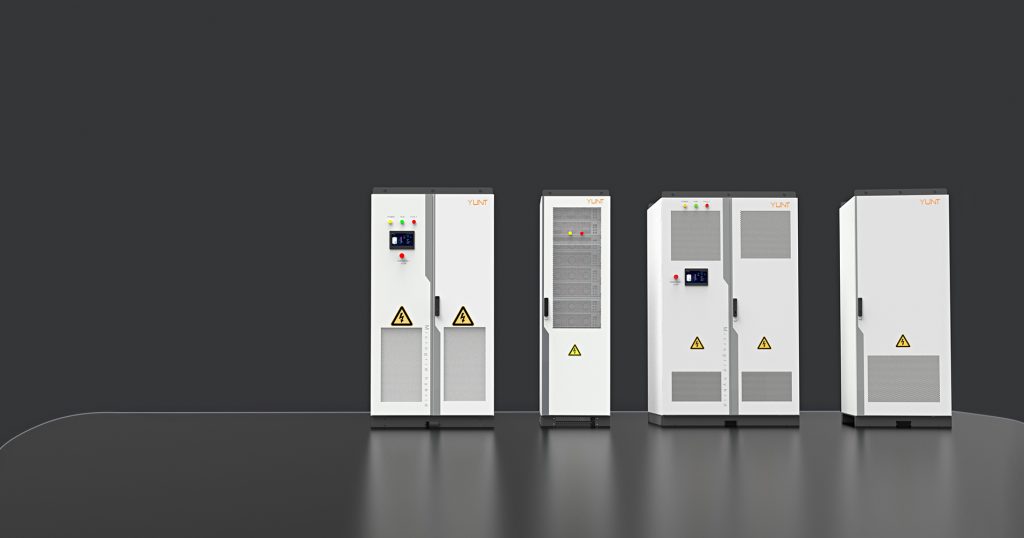
1) Demand UL 9540A test reports and require explicit peak gas flow and peak pressure rise values for the proposed pack. 2) Verify that the vendor maps UL 9540A outputs into NFPA 855 vent‑sizing calculations (vent area per kWh and peak flow inputs) and shows the BMS/inverter timing diagrams. 3) Insist on matched systems from reputable hybrid inverter manufacturers who document integration, so your BOS scope stays tight and auditable.
Final note — when procurement an’ design meet verified testing, yuh reduce surprises and trim BOS spend; the result is reliable, compliant storage that actually behaves in the field. YUNT. —