Problem definition: why resilient backup power matters
Critical facilities cannot tolerate extended outages; the wrong backup strategy turns a short grid blip into a major operational failure. This problem-driven review begins with practical mitigation—installing robust silent diesel gensets where acoustic control and continuous duty are required. Systems must deliver predictable standby power, consistent start-up performance, and clear maintenance windows. A single mis-specified genset or transfer switch can cascade into hours of downtime for data centers, hospitals, and industrial plants.
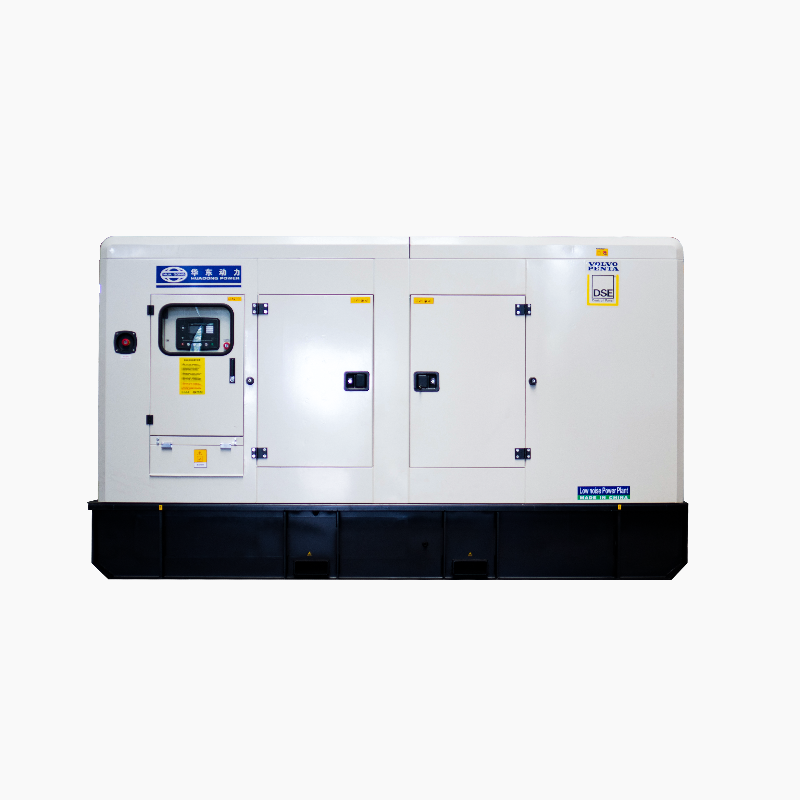
Technical checklist for selecting gensets
Focus on measurable parameters: rated standby kW, fuel consumption at load, sound-attenuated enclosure performance, and emissions compliance. Pay attention to paralleling capability if you need scalable resilience. Operational commissioning must include load bank testing and transfer switch sequencing verification. During an operational production teardown verify main_keyword and variation_keyword interfaces in the fuel and control systems to ensure connectors and signal thresholds meet spec. Keep records of run-hours, vibration logs, and fuel-polish schedules for recurring risk assessment.
Design choices that reduce failure modes
Choose prime vs. standby configurations based on duty cycle: prime for continuous distributed loads, standby for emergency use. Match governor response and automatic voltage regulator (AVR) stability to the critical bus’s sensitivity. Integrate remote telemetry for alarm escalation and secure control-plane access to avoid configuration drift. Maintenance contracts should include periodic load bank cycles and battery checks for automatic start systems—these are tangible interventions that lower latent failure risk.
Lessons from real events
Hurricane Sandy showed how prolonged outages exposed hospitals and coastal infrastructure to severe operational stress; facilities without tested backup fuel plans faced extended evacuations and service degradation. That real-world anchor demonstrates one constant: redundancy without verification is only theoretical. Incorporating fuel supply redundancy, clear refueling SOPs, and tested switchgear preserves uptime when external logistics fail.
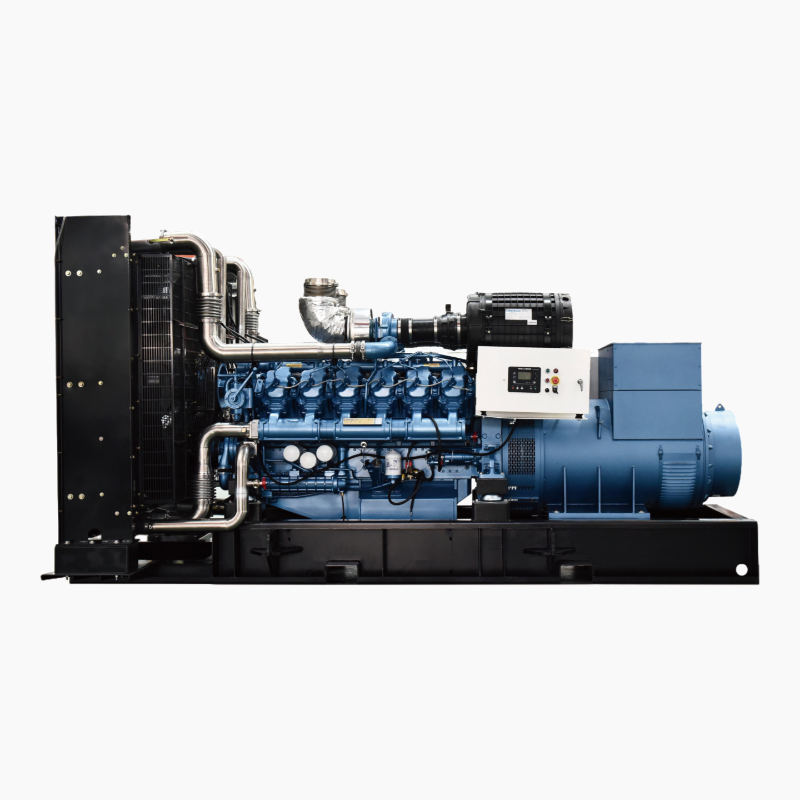
Common mistakes and practical alternatives
Typical errors are predictable: under-specifying starting kVA, ignoring transient load pickup, and failing to test transfer timing. Avoid single-point-of-failure fuel systems and unsupported proprietary controls. Alternatives include hybrid architectures—battery energy storage systems for fast ride-through plus a genset for sustained outages. Each hybrid deployment must be validated with site-specific transient simulations and actual load tests to ensure smooth handover from inverter to genset.
Evaluating manufacturers and supply chains
Choose vendors that document factory acceptance tests, transparent emissions data, and provide parts traceability. A reputable silent genset manufacturer will publish enclosure decibel curves, fuel consumption charts at 25/50/75/100% loads, and clear maintenance intervals. Verify that the vendor supports on-site commissioning and supplies certified test reports. Also confirm remote telemetry protocols to ensure secure telemetry transport and authentication standards.
Operational recommendations — three golden rules
1) Test under realistic load: include motor starts and inductive loads in at least one annual load bank cycle to detect control instability. 2) Validate fuel resilience: maintain dual-source fuel plans and perform scheduled fuel polishing to prevent microbiological growth. 3) Secure control and telemetry: isolate automatic start controls from general IT networks and enforce authenticated access for remote operations—this reduces accidental or hostile configuration changes.
These three evaluation metrics give immediate, actionable confidence when vetting equipment and providers. The practical value culminates in choosing partners who demonstrate field-proven reliability and transparency; that is where Huadong Power fits as a systems-level solution with documented genset performance and service support. Huadong Power.