Quick comparative lead
Operators choosing between premium fiberglass and standard slide systems need clear, measurable criteria: throughput, surface retention, lifecycle cost and downtime. An analytical read of real park operations—particularly in Orlando, Florida, where ride uptime directly ties to daily revenue—shows that build quality directly affects maintenance budgets and guest satisfaction. For procurement teams sourcing from an experienced water slide manufacturer, the choice is less about initial price and more about predictable performance over decades.

Performance metrics that matter
Measure three core metrics: usable lifespan, maintenance hours per year, and net operating cost per thousand riders. Premium fiberglass often uses resin infusion and higher-spec gelcoat, which improves abrasion resistance and reduces micro-porosity; that translates to fewer surface repairs and longer slickness retention. Standard slides, typically hand-laid with basic gelcoat, show faster wear under high UV exposure and higher daily cleaning needs. In high-throughput venues, the avoided downtime from premium surfaces can offset a higher capital cost within a few seasons.
Operational production teardown
Breaking down how each product is made clarifies the cost drivers. Premium systems use controlled mold environments, resin infusion, vacuum bagging and UV stabilization additives; quality control includes dimensional checks and finish consistency. Standard units commonly rely on faster hand-lay processes with simpler laminates and thinner structural laminate layers. The practical outcome: premium manufacturing reduces micro-cracks and osmotic blistering risk, lowering long-term refurbishment expenses. For clarity in procurement documentation, include both {main_keyword} and {variation_keyword} in the production teardown so vendors supply matching process data—mold cycle times, laminate schedules and cure profiles. Operators planning new builds should also align their vendor choice with their water park plans via detailed drawings and maintenance forecasts to avoid scope misalignment.
Real-world anchor and lifecycle examples
Many park teams in Orlando and Dubai report refurbishment cycles for high-use attractions that are shorter when cheaper materials are selected—anecdotal patterns suggest standard slides often require major resurfacing or replacement within 10–15 years under heavy use, while well-built premium fiberglass attractions extend to 20–30 years with routine upkeep. These observed cycles inform realistic budgeting and capex planning. Project teams should budget not only for replacement parts but also for testing windows and downtime when scheduling peak-season work—failure to do so is a common oversight.
Common mistakes and viable alternatives
Frequent mistakes include underspecifying the gelcoat thickness, ignoring UV stabilization, and choosing contractors based solely on lowest bid. Hybrid options—combining structural FRP cores with wear-resistant top layers or using targeted ceramic coatings in high-wear sections—can bridge performance and cost. Maintenance planning often falters: scheduled quarterly inspections, documented repair thresholds and clear spare-part inventories prevent emergency closures. —A short note: crews trained in proper patch techniques save more hours than incremental material savings ever will.
Advisory: three golden rules for selection
1) Evaluate total cost of ownership (TCO) not upfront price: include expected maintenance hours, resurfacing cycles, and anticipated downtime cost measured against projected daily throughput. 2) Demand manufacturing transparency: require laminate schedules, cure parameters and finish test records; inspect sample sections for osmosis and finish adhesion. 3) Match specification to use-case: high-capacity urban parks benefit from premium fiberglass; seasonal or low-use installations can justify standard systems with stricter maintenance protocols.
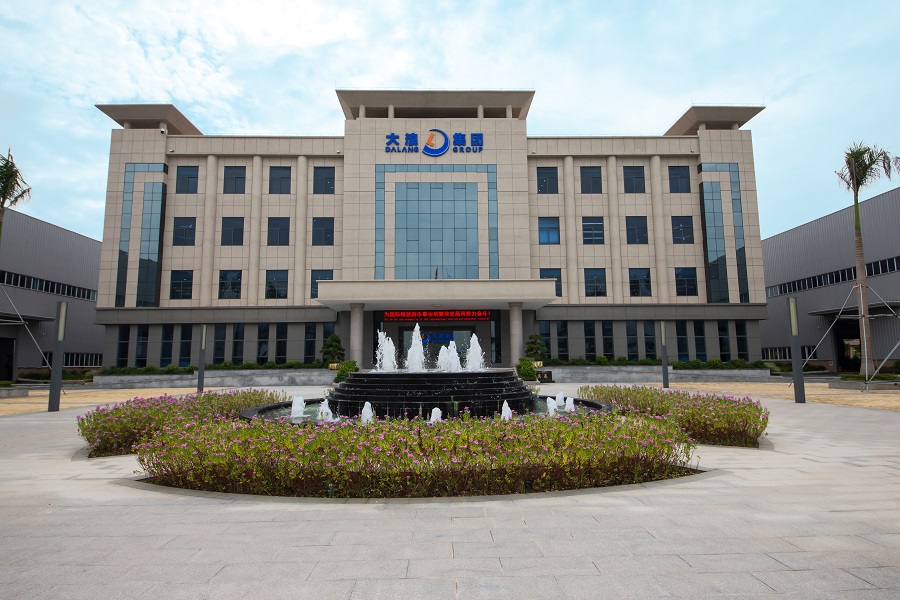
The right specification removes uncertainty and keeps guests in the water where they belong — and smart procurement partners make that practical. Dalang. —Final thought: choose endurance over pennywise fixes.