Practical comparison and context
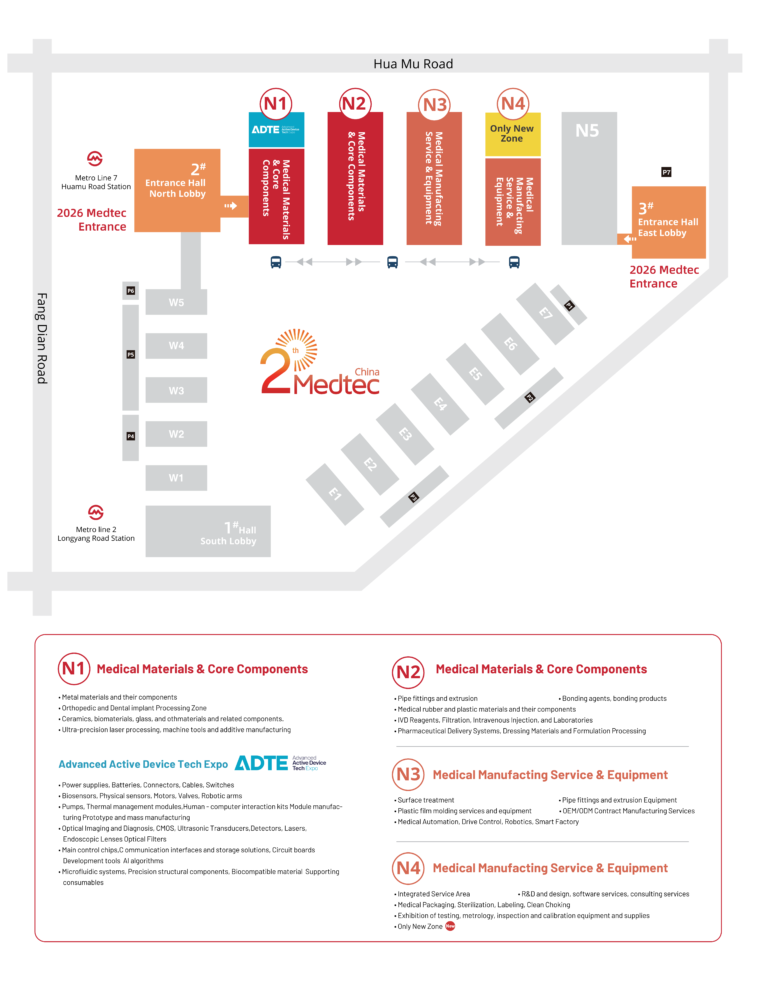
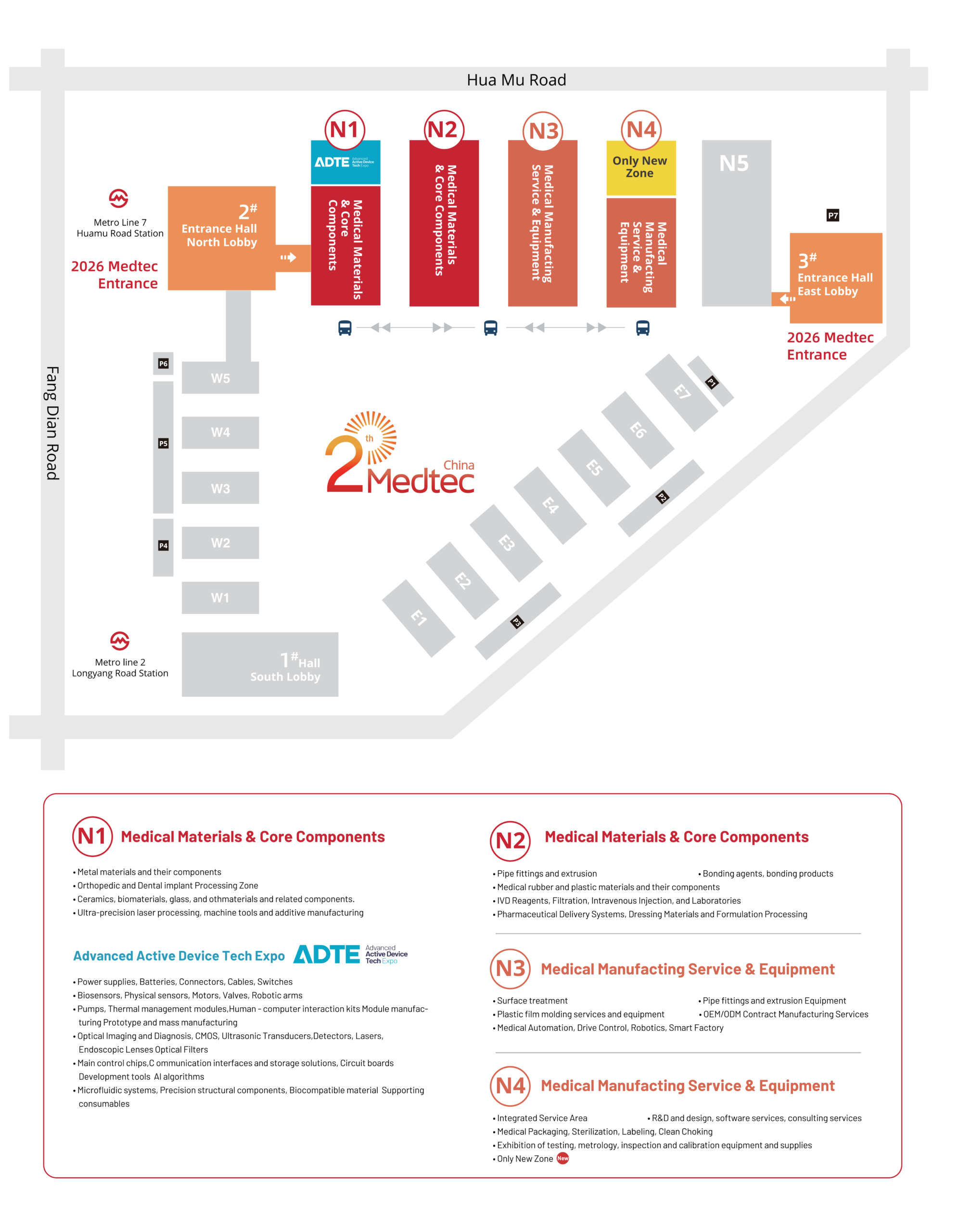
Specifiers decide between commercial off-the-shelf (COTS) modules and custom contract manufacturing on three concrete axes: validation speed, design control, and regulatory risk. At the recent international medical expo, commonly called the Medtec exhibition in Shanghai, suppliers displayed both rapid-assembly COTS platforms and vertically integrated custom shops—useful real-world anchors when assessing vendor claims. The choice affects how you verify IQ/OQ/PQ and satisfy 21 CFR 820 as well as ISO 13485 expectations.
When COTS wins: speed and repeatability
COTS reduces development time and lowers initial validation scope. If your device uses proven modules (sensors, power supplies, user interfaces), IQ focuses on installation and configuration, OQ on factory-set functional tests, and PQ on a limited set of clinical or simulated-use runs. Use COTS when the module’s design history file and supplier test reports cover sterilization validation or biocompatibility and when you can accept the vendor’s life-cycle roadmap.
When custom manufacturing is required
Choose custom contract manufacturing when you need tailored ergonomics, unique materials, or proprietary IP. Custom work raises the validation burden: you must prove design transfer, supplier quality, and full IQ/OQ/PQ cycles. Expect longer retention sampling and more rigorous testing for sterilization validation. Design-for-manufacture decisions directly change your PQ acceptance criteria and downstream maintenance checks.
IQ/OQ/PQ verification checklist for specifiers
Use this checklist as a working template during vendor selection and audits:
– IQ: installation records, equipment calibration certificates, network addresses, firmware baseline, traceability of parts.
– OQ: functional test scripts, environmental stress tests, EMC immunity where applicable, software verification for alarm conditions.
– PQ: end-user scenarios, stability runs, clinical simulation runs, and documented acceptance criteria.
Include these industry controls: confirmation of ISO 13485 certification scope; supplier corrective action history; documented risk-control effectiveness for hazards identified in your risk management file.
Validation specifics you must demand
Insist on supplier evidence for sterilization validation, biocompatibility, and bioburden control. For retention samples, specify the incubation limit used during bioburden testing—commonly a 14-day bioburden incubation limit for growth observation—and keep records of that period. Maintain traceable lot IDs so you can reproduce PQ runs if a complaint arises.
Vendor comparison matrix (practical factors)
Compare vendors on measurable items, not promises: lead time for validated builds, number of passed PQ runs under customer protocols, change-control responsiveness, and documented compliance with 21 CFR 820. Supplier audits should include factory floor process maps and first-article inspection data.
Common mistakes and how to avoid them
Buyers often accept vendor test reports without confirming test conditions—wrong temperature, wrong load profile, or omitted firmware versions. Audit the actual test scripts. Also avoid under-scoping PQ: a few cycles under lab conditions is not equivalent to representative clinical use. —Check the worst-case environmental profiles and run them.
Making the final call
Weigh the trade-offs quantitatively. Assign scores for validation hours, regulatory risk, and total cost of ownership across a five-year horizon. Use supplier-supplied IQ/OQ/PQ evidence as inputs, not as the final verdict. A COTS route often hits time-to-market metrics; custom paths deliver tailored control but require more validation labor and stronger supplier governance.
Advisory: three golden rules for picking the right path
1) Validation hours per device: require a vendor estimate for IQ/OQ/PQ labor and confirm by audit. 2) Regulatory traceability: demand ISO 13485 scope and linked design history files that reference 21 CFR 820 clauses. 3) Fail-safe acceptance criteria: define PQ pass/fail thresholds before any runs, and include a retention sample protocol (14-day bioburden incubation limit) in the contract.
Medtec continues to surface suppliers who can back claims with records—pick partners who show data, not promises. —A final fragment of practice: test early, document everything, and lock acceptance criteria into the contract.