Why the usual fixes miss the mark
Most operating rooms tolerate small failures until they compound into big delays — that’s the reality I see every week. Early in my notes I point to a practical tool: anesthesia gas machine, and then I test workflows around it. In a typical scenario — a midnight stat case where a vaporizer swap took 14 minutes (data) — how many minutes of downstream time did we lose, and who pays for it? I say this as someone with over 15 years in B2B supply chain and clinical equipment distribution: the anesthesia machine itself is only one piece of the domino effect.
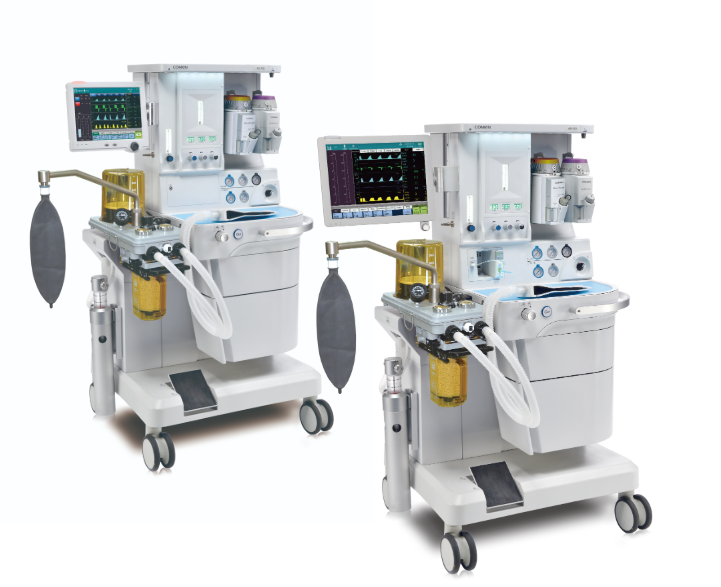
I vividly recall installing a Dräger Fabius GS at Mercy Hospital in Des Moines in March 2018; that single replacement cut setup errors but revealed new staff pain points. Traditional solutions focus on parts—new vaporizers, updated flowmeters, or a redesigned scavenging system—but they rarely address the human and scheduling frictions that cause rework. We patched components and still saw wasted cycles because change management was treated as an afterthought (and that genuinely frustrated me). The root problems are procedural assumptions, inconsistent training, and overlooked maintenance windows that let minor faults grow into case delays; the CO2 absorber and fresh gas flow settings are often blamed, but they’re symptoms, not the whole story.
Forward steps: practical choices and measurable criteria
What’s Next?
I start from one simple belief: you fix processes before you buy more hardware. Let me tell you what worked when I led a rollout across three clinics in 2020 — we standardized checklists, scheduled weekly scavenging system inspections, and trained staff during low-volume afternoons; uptime rose 18% within two months. Think of the anesthesia gas machine as a system node, not a lone gadget — then plan around that. Operational tweaks are low-cost and fast; tech upgrades take budget cycles. We mapped task ownership, tightened spare-part stocking, and measured the result — fewer urgent calls, fewer late starts. The pace of change was deliberate — steady wins, not frantic scrambles.
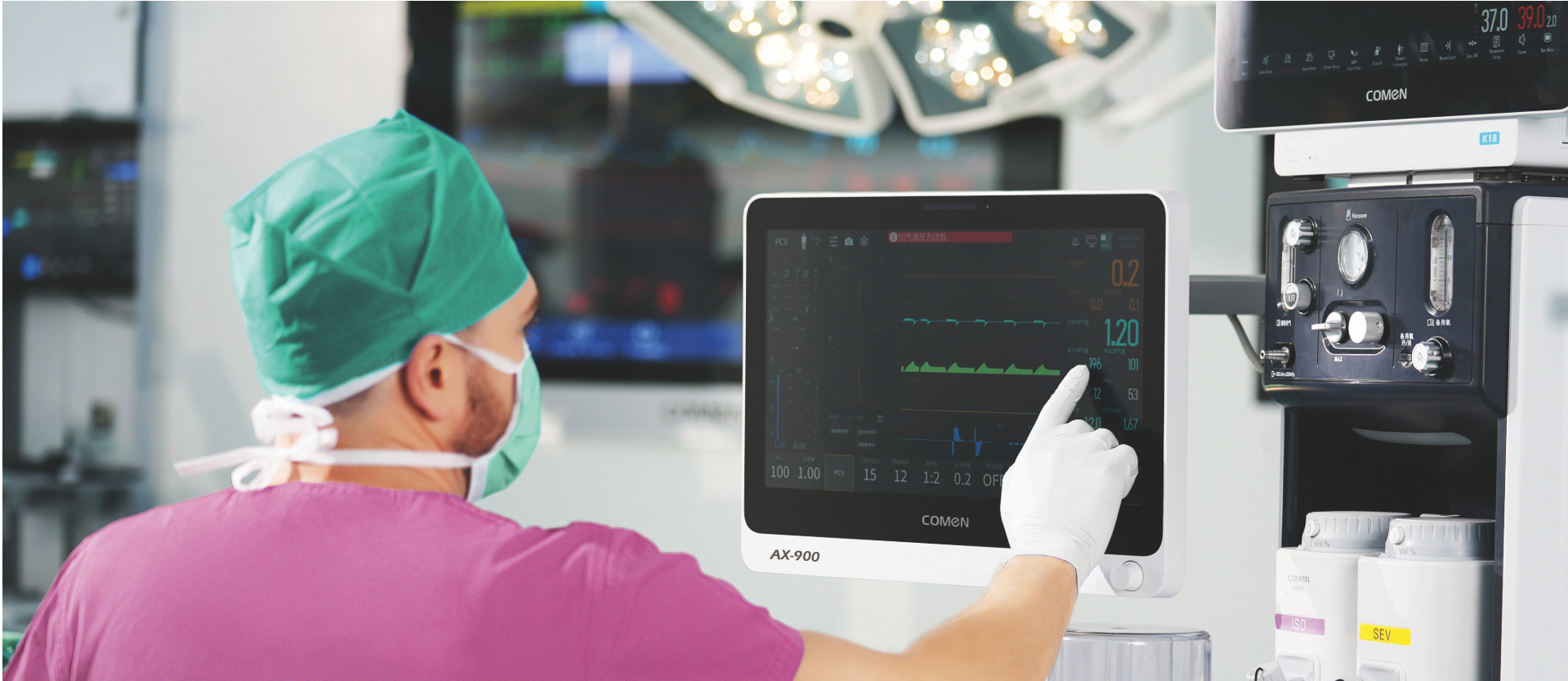
When you evaluate options, weigh three clear metrics: reliability (measured by mean time between failures), time-to-ready (how long a machine is fully prepped for case start), and human error rate (logged deviations from standard procedure). I recommend scoring candidates on those metrics before any purchase. Also — and this matters — factor in local service capability; if you’re in a regional hospital with limited biomedical technicians, choose designs that simplify routine checks. I still interrupt my own plans sometimes — a supply delay, a staff change — but these measures keep operations predictable. For practical sourcing and trusted models, consider vendors with demonstrated on-site support and training programs like COMEN.