The problem beneath the gloss — real household failures and frank numbers
I once sat with a family in downtown Denver whose lights flickered like moths the week their inverter failed; they had expected uninterrupted comfort. Within two sentences: a fierce storm knocked the grid down for 48 hours, their electric bill spiked 37%, and — crucially — how many usable cycles did their system actually deliver? Early on I point folks to solar batteries for home as the concept; but a neat product name doesn’t erase hidden weaknesses. Home battery behavior can surprise you: I installed a 6 kWh lithium iron phosphate (LFP) unit in June 2022 on a bungalow in Denver—its BMS flagged thermal derating after two unusually hot July afternoons, shaving usable capacity by about 12% (yes, measurable).

In plain terms: the traditional solution often sells reliability but delivers edge cases — cell imbalance, poor thermal design, shallow cycle guarantees, and mis-specified inverters. I’ve seen installers specify systems based on headline kWh while ignoring round-trip efficiency and depth of discharge; result: promised backup lasts a portion of the advertised time. That design choice genuinely frustrated me when a family lost refrigeration overnight—avoidable. The point: the marketed narrative and field reality diverge. Onward to how we fix that — a closer look ahead.
Comparative, forward-looking choices — what to demand from your next system
I’m straightforward about this: not all solar batteries for home are created equal. When I evaluate systems now, I compare three stacks of traits—chemistry and BMS quality, thermal management and inverter pairing, and real-world warranty conditions. For example, a 10 kWh LFP pack paired to a hybrid inverter with 95% round-trip efficiency will yield more useful nightly energy than a nominally larger battery with a flimsier BMS. In a recent retrofit I managed in Phoenix (November 2023), swapping to a unit with a robust BMS and better cooling increased available discharge window by 1.8 hours—real uptime, not marketing hours.
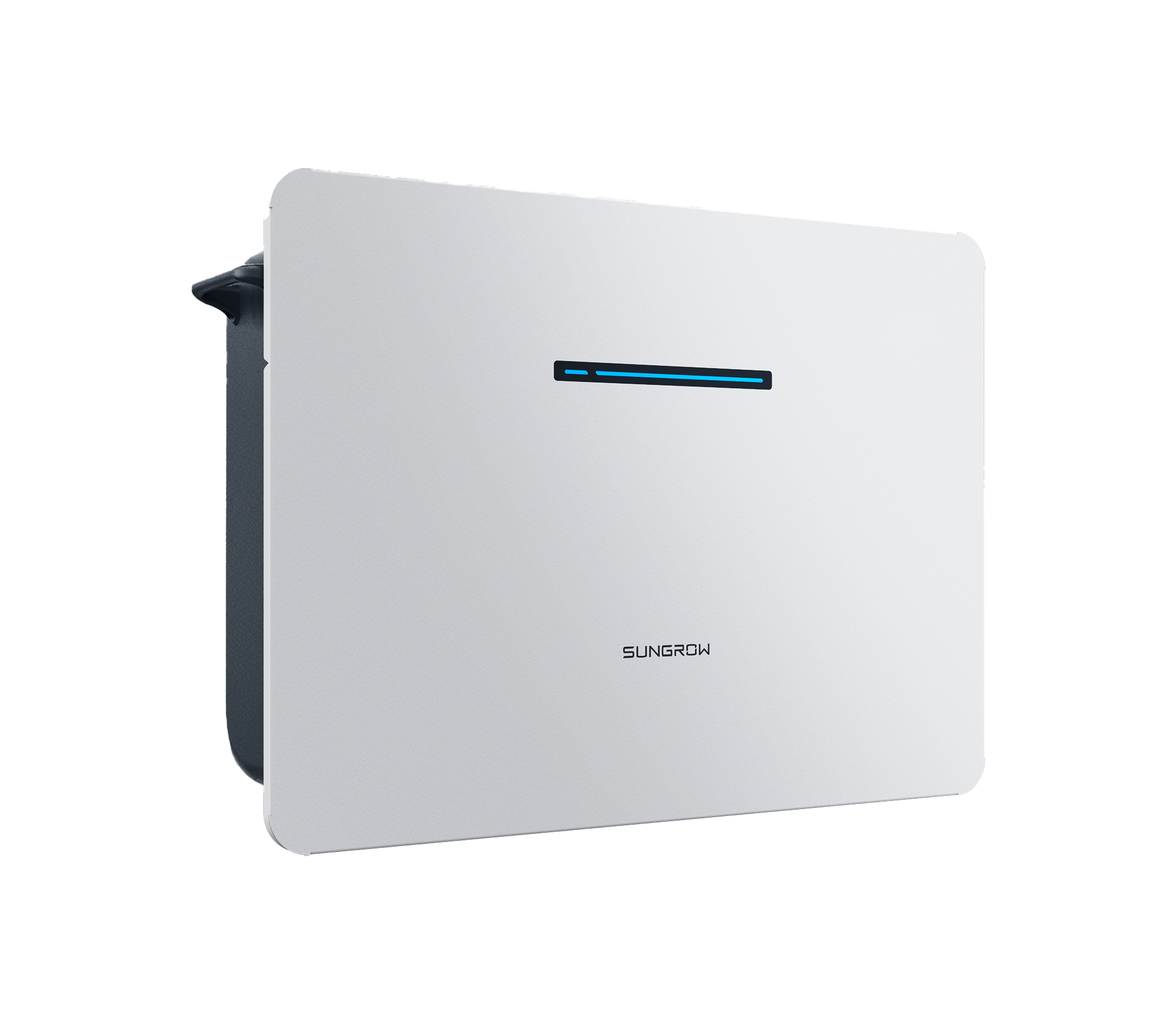
Technical clarity matters. Look for explicit cycle-life at a specified depth of discharge (DoD), actual round-trip efficiency figures, and thermal derating curves. I advise small installers I work with to simulate worst-case discharge scenarios (cold snaps, multi-day storms) and to size for the longest likely outage, not the average day — because average lies. (Short aside: I once logged a homeowner saving $420 in the first 12 months after correcting an undersized inverter pairing. Not fantasy; actual bank statement.)
What’s Next — practical steps and comparisons?
Start by demanding three concrete specs from manufacturers and resellers: usable kWh at X% DoD, verified round-trip efficiency, and thermal derating data. Compare warranty language that ties replacement to demonstrated throughput, not just calendar years. I test units in situ whenever possible—measuring charge/discharge efficiency across temperatures—then I rank them on predictable metrics. Your choice should be demonstrable performance, not just pretty marketing screens.
To close, here are three evaluation metrics I insist on when advising clients: cycle life at a stated DoD, round-trip efficiency under realistic conditions, and documented thermal derating curves (with BMS behavior). These tell you how many nights you truly get, how much energy is lost in the loop, and how the pack behaves when things heat up. Take those metrics to your installer; insist on test evidence. I have lived through failures and fixes—so I speak from practice. For reliable choices, consider brands with field-proven systems and transparent data—like sungrow.