The Unseen Benefits of Using a Bio-organic Fertilizer Fermentation Tower
Ever wonder what happens when you combine organic materials in a fermentation tank? According to recent studies, about 60% of farmers are still using traditional methods for composting—methods that often miss the mark on efficiency (hello, smell!). So, what’s the deal with using a Bio-organic fertilizer fermentation tower? Seriously, if you’re still kicking it old-school, you might be throwing away potential benefits. Let’s break it down.
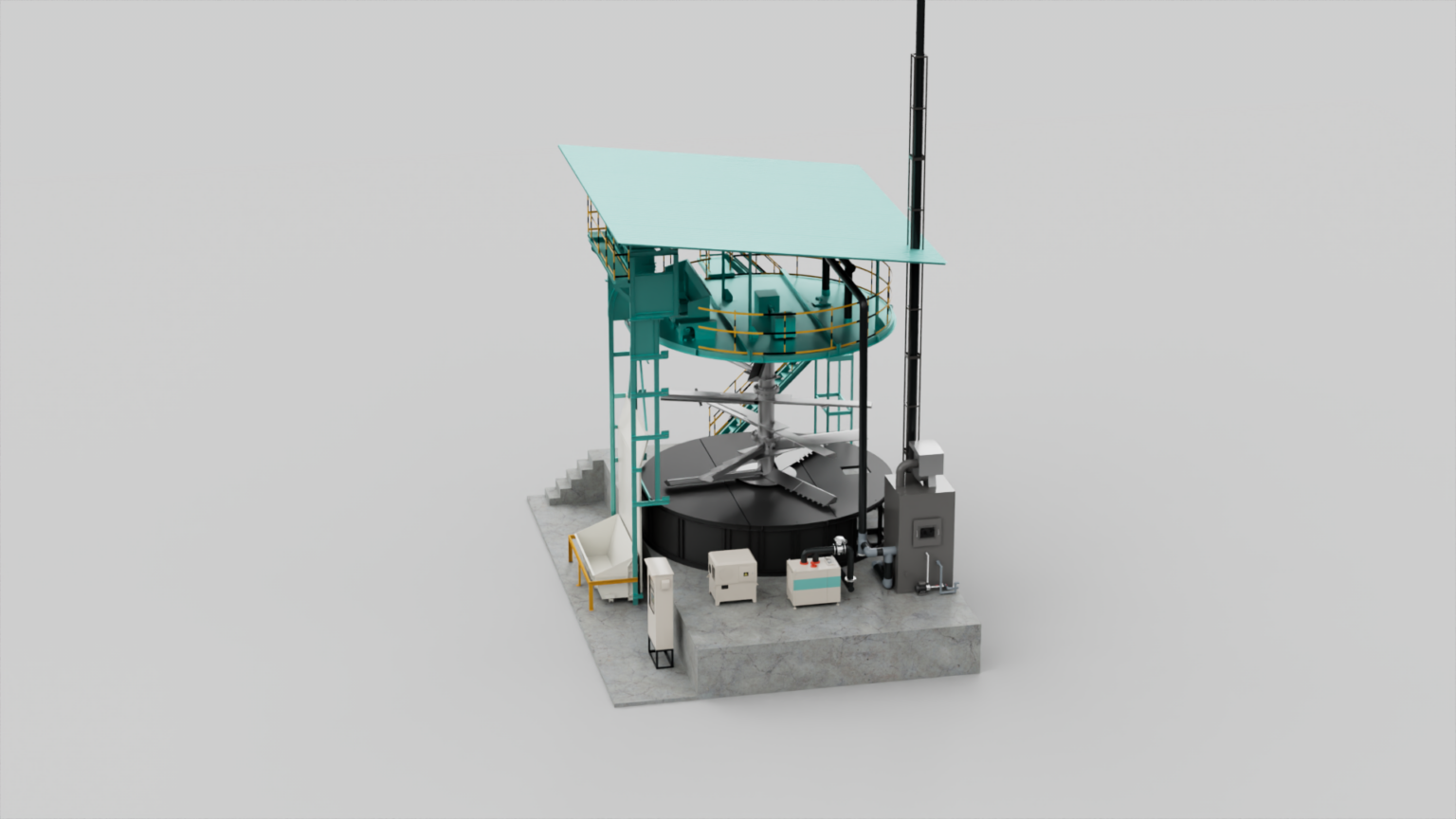
A Fresh Take on Composting
Traditional composting methods can be slow and messy. Trust me, I’ve seen it firsthand. When I started in this business over 15 years ago, I remember spending weekends turning heaps of organic waste only to find out that the compost wasn’t breaking down efficiently. One customer I worked with, a local farmer, switched to a fermentation tower, and his composting woes were addressed. He went from waiting months for usable compost to getting high-quality organic material in just a few weeks. It’s phenomenal how a simple change in method can save time and resources.
Why Transition to a Fermentation Tower?
The sheer speed and efficiency of a bio-organic fertilizer fermentation tower cannot be overstated. We’re talking about a more controlled environment that accelerates microbial action—basically turbocharging the decomposition process. Plus, you’re reducing greenhouse gas emissions. Who doesn’t want to feel good about their carbon footprint?
Looking Ahead: The Rise of Organic Vertical Fermentation Tanks
Shifting gears—and always looking forward—consider the burgeoning popularity of the organic vertical fertilizer fermentation tank. These systems are becoming game-changers for farmers and gardeners alike. Not only do they save space, but they also streamline the fermentation process. The vertical design enhances airflow and thus improves aerobic digestion. This means you could be looking at vastly superior compost in a fraction of the time.
What’s Next for Sustainable Practices?
As we continue to adapt and evolve, the methods we employ will need to mirror our growing understanding of sustainability. But inflation and rising material costs have made it even more critical to streamline operations. Investing in a fermentation tower might seem costly upfront, but think of the long-term savings—in labor, time, and resources. Instead of spending hours managing waste, imagine redirecting those efforts into productive farming practices. Trust me, I’ve seen my customers embrace this change and thrive because of it.
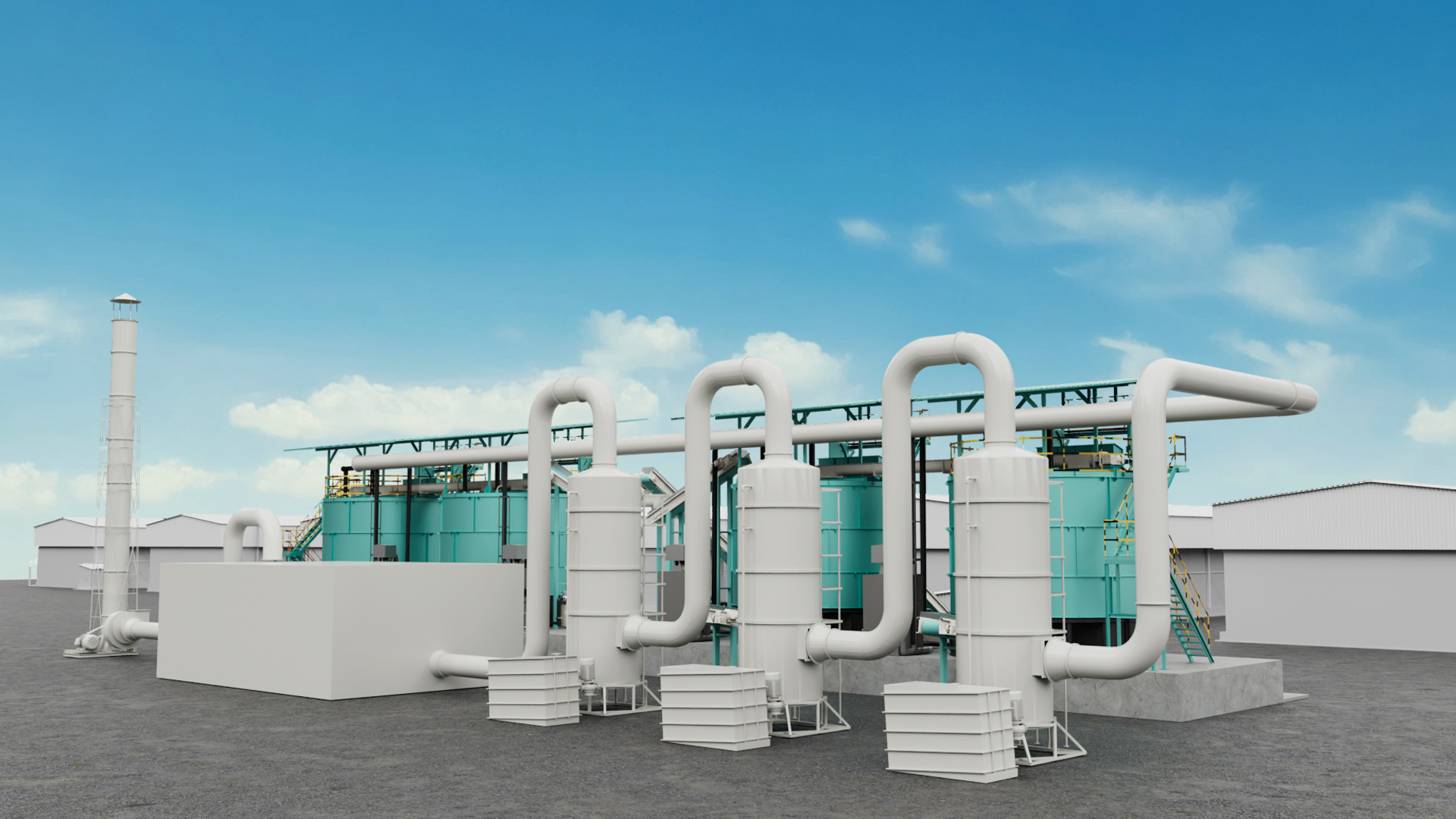
So, if you’re weighing the pros and cons of switching to a fermentation system, here’s the inside scoop: focus on efficiency, sustainability, and the potential for high-quality end products. These aren’t just buzzwords; they’re concrete goals worth chasing. And if you’re looking for ways to enhance your composting practices, it doesn’t hurt to check out the innovative offerings at Cason. They’ve been at the forefront of these changes, helping farmers like you find balance.
To wrap things up, what stands out in this journey is that leading with innovation can make all the difference. By transitioning to modern solutions like fermentation tanks, I firmly believe you’ll not only meet your operational goals but also help the planet in the process.