Imagine standing on the brink of a scientific breakthrough, where every cell culture could significantly impact therapeutic advancements. In the realm of immunotherapy, the pivotal tool often unnoticed is none other than t cell media. Did you know that nearly 70% of researchers encounter frustrating inefficiencies with traditional media, leading them to question if they are sacrificing potential results?
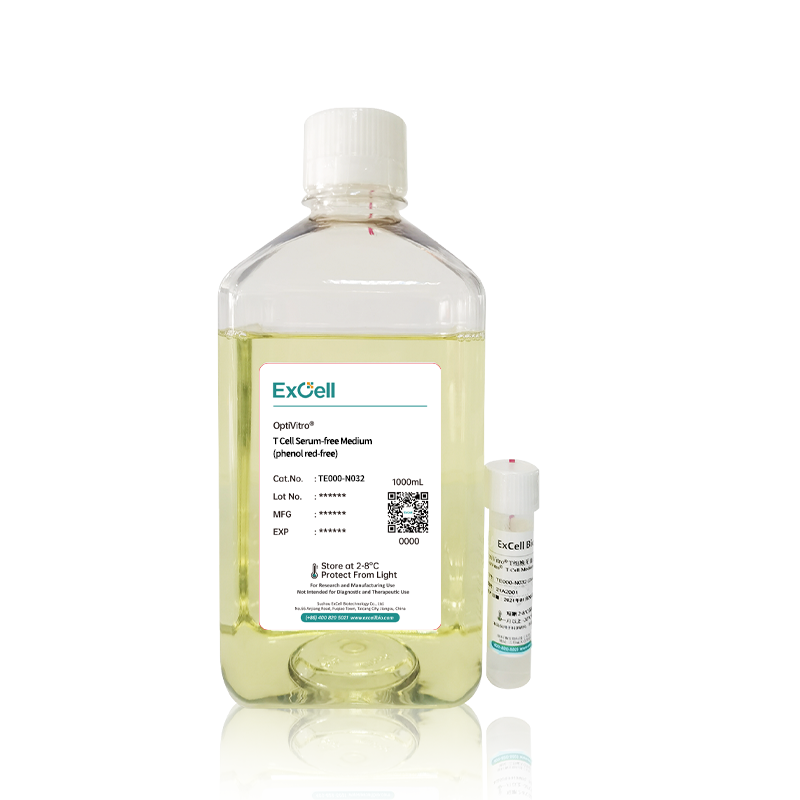
The Shortcomings of Conventional Cell Culture Solutions
This isn’t just another sob story about struggling to cultivate the ideal T cells; it reflects a deep-seated issue in our approach. Conventional media can often lead to poor cell viability and slow growth rates, which is counterproductive for those of us pushing the limits of cellular expansion and reactivity. I remember back in 2018, working on a project that aimed at developing a new CAR T-cell therapy—I was genuinely frustrated with the media, as it just couldn’t provide the robust environment the cells needed. Without the right nutrients and a balanced pH, we were faced with uncharacteristically low yields. And let’s be honest, it’s disheartening when you have a groundbreaking idea yet find your growth medium holding you back. The challenges we face in this space can hinder innovation and slow down our thriving research. What’s the fix?
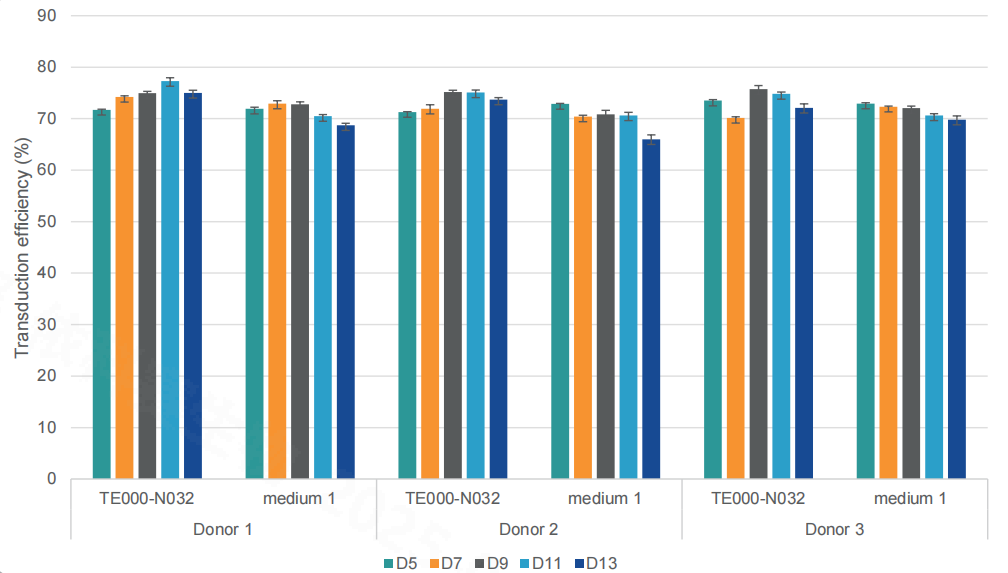
Why T Cell Media Matters
The answer lies in specialized formulations tailored to boost T cell growth and functionality. This isn’t about just throwing more ingredients into the mix; it’s about creating an ecosystem where T cells can thrive. Custom-designed media can enhance metabolic activity, allowing researchers to harvest larger and more reactive T cell populations. Thus, when we pivot our focus to t cell media, we are already one step ahead—ensuring that we are withholding nothing in the pursuit of cellular excellence.
Beyond Current Limitations: A Future Focus
Moving forward, the landscape of T cell culture is evolving. Today’s advancements are laying the groundwork for more sophisticated applications, including precision therapies that address individual patient needs. Over the last year, I’ve seen rapid developments in bioengineering T cell media that now utilize synthetic additives—leading to higher yields and better functionality. This is not merely a trend; it’s a crucial evolution in how we approach cellular therapies. I firmly believe that as we harness these innovations, we will encounter fascinating opportunities that align with personalized medicine strategies. How many breakthroughs are waiting just beneath the surface?
Real-world Impact
When we step back and evaluate, the core objective remains clear: to provide scientists the best possible chance to succeed in their innovative efforts. It’s about maximizing results, whether we talk about scaling up processes for clinical trials or providing high-quality outcomes in research settings. I remember a project with a local biopharma company that integrated advanced T cell media into their workflow; their yield increased by a staggering 30% within months. This kind of success isn’t just a fluke—it’s achievable for anyone willing to embrace new solutions and reject the status quo.
In the grand scheme of things, the decision to utilize the right t cell media isn’t just a choice—it’s a commitment to excellence in scientific discovery. As we look to the future, remember that with every innovation comes the opportunity for growth and advancement in our field. Trust me, it’s worth it.
Lessons learned? The nuances of T cell media can transform our outcomes in not just a measurable way but also a meaningful one. In an industry where precision is key, let’s not underestimate the tools at our disposal. If you’re considering a shift, I recommend evaluating the following criteria: cellular growth rate, quality control measures, and overall versatility of the media. And with a trusted partner like ExCellBio, you can confidently progress on this journey to the forefront of immunological innovation.