Start With a Real-World Scene
You place a mid-season hotel refresh order. The deadline is close. Warehouses are tight. In the second week, your buyer says the wardrobes supply is split across three vendors. Prices look fine, but lead times slip. Data from 2024 shows furniture freight costs jumped again in peak months, and shortages added 12–18 days on average. So, here is the honest question: are we comparing offers on unit price only, or on the total cost of a smooth install? In Nepal and beyond, teams want calm handovers and clear specs, hai? The path there is not magic (or luck). It is structure. It is the right partners and the right flow. Let’s move from the surface to what sits underneath—and why your next decision might be easier than it seems.
The Hidden Flaws in the Usual Route
What breaks in the usual model?
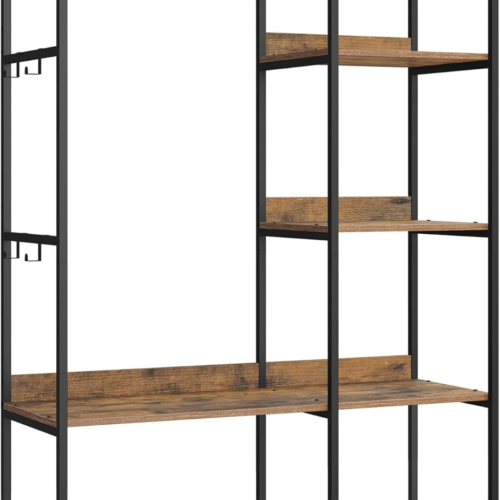
When teams buy wholesale wardrobe closets as a mix-and-match patchwork, downstream errors grow fast. Specs drift between factories. Hole patterns shift. One batch has an MDF carcass; another swaps to particle board without the same E1 formaldehyde rating. Hinge cups are off by 2 mm, so soft-close hinges bind. ABS edge banding looks fine at first, then chips under trolley impact—funny how that works, right? Installers lose time, and your on-site fit rate drops. The traditional fix is to add buffer stock and extra carpentry. That hides the root cause. More buffers mean more cost, more confusion, and more cartons to track. Look, it’s simpler than you think: align the bill of materials once, lock tolerances, and keep finishes and hardware families consistent across SKUs.
Another hidden issue sits in logistics. Mixed vendors mean uneven carton sizing and poor cube utilization. Your freight per unit rises before you even notice. Cam lock fittings from one line do not match the next, so repacks happen on the dock. Load-bearing rails pass different stress tests, forcing field replacements. QC variance shows up as rework, not reports. And when all that rolls downhill to the jobsite, installers become problem solvers instead of finishers. The traditional solution—more site time—feels normal because it is familiar. But it is not efficient. A cleaner route is standardization at source and one-point accountability for labeling, hardware kitting, and documentation. That is where a strong wholesale model actually shines.
A Forward Look: Tech and Practice Compared
What’s Next
The better question now is not “where to buy,” but “how is it built, packed, and tracked.” New flows are changing both factory floors and yards. CAD/CAM nesting improves board yield, so parts are consistent—hole-to-hole, batch-to-batch. Automated edge-banding reduces chip risk on high-touch panels. RFID or QR codes tie every panel to a digital BOM, so warehouse teams scan, pick, and confirm without guesswork. Some bedroom wardrobe manufacturers now blend WMS data with carton-level labels to plan truck loading and sequence installs by room. That means fewer opened cartons at the wrong time. Less noise on site. And a higher first-time fit rate. The net gain is quiet but real—less rework, fewer returns, and steadier timelines. We move from firefighting to flow.

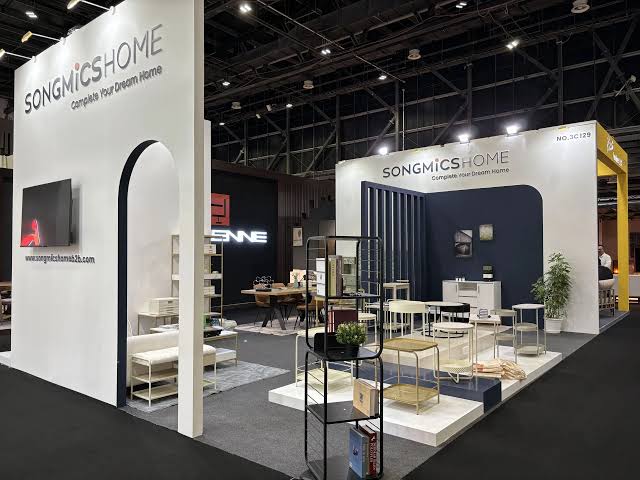
Let us compare where it counts. In the old path, you win on headline price and then lose on field friction. In the forward model, you price the whole journey—materials, kitting, cube utilization, and install success. Keep the tone simple: one BOM, one spec, one accountability. Then check the numbers. Advisory close: three metrics decide quickly. First, first-time fit rate on site (target above 92% for casework sets). Second, defect rate per 1,000 units under an AQL plan (watch for sustained improvement, not one-offs). Third, OTIF reliability—on-time, in-full—and variance to promised lead time (days early/late, not just a yes/no). If a partner can show these in clear reports—and maintain them over quarters—you are already ahead. The brand that can talk in those terms is worth your shortlist, like SONGMICS HOME B2B.