Understanding the Risks
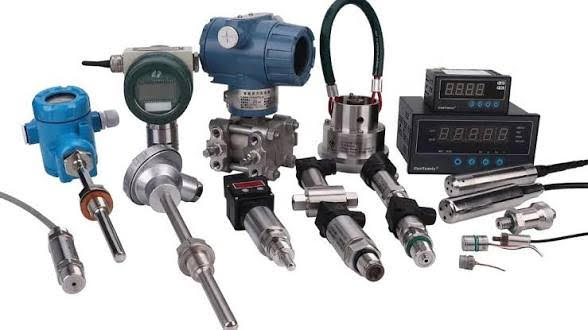
Picture a factory floor where equipment works tirelessly, and then… an unexpected pressure surge occurs. According to recent safety statistics, over 80% of industrial accidents stem from pressure-related failures. In such scenarios, an explosion proof pressure sensor can be the frontline defender against disasters. It’s designed to withstand the harshest conditions, ensuring safety in flammable environments. I once witnessed firsthand how using a flameproof pressure transmitter saved serious losses during a routine pressure test—an incident that could have escalated significantly without the right equipment in place.

Common Pitfalls in Traditional Solutions
Many facilities rely on standard pressure sensors, often overlooking the unique dangers present in explosive atmospheres. These traditional solutions frequently lack the necessary certifications for flame-resistant environments, leaving users exposed to unnecessary risks. For instance, I’ve encountered environments where outdated sensors resulted in erratic readings, leading to costly downtimes. It’s a stark reminder of why having a robust explosion proof pressure sensor isn’t merely an option—it’s a necessity.
What Makes an Explosion Proof Sensor Different?
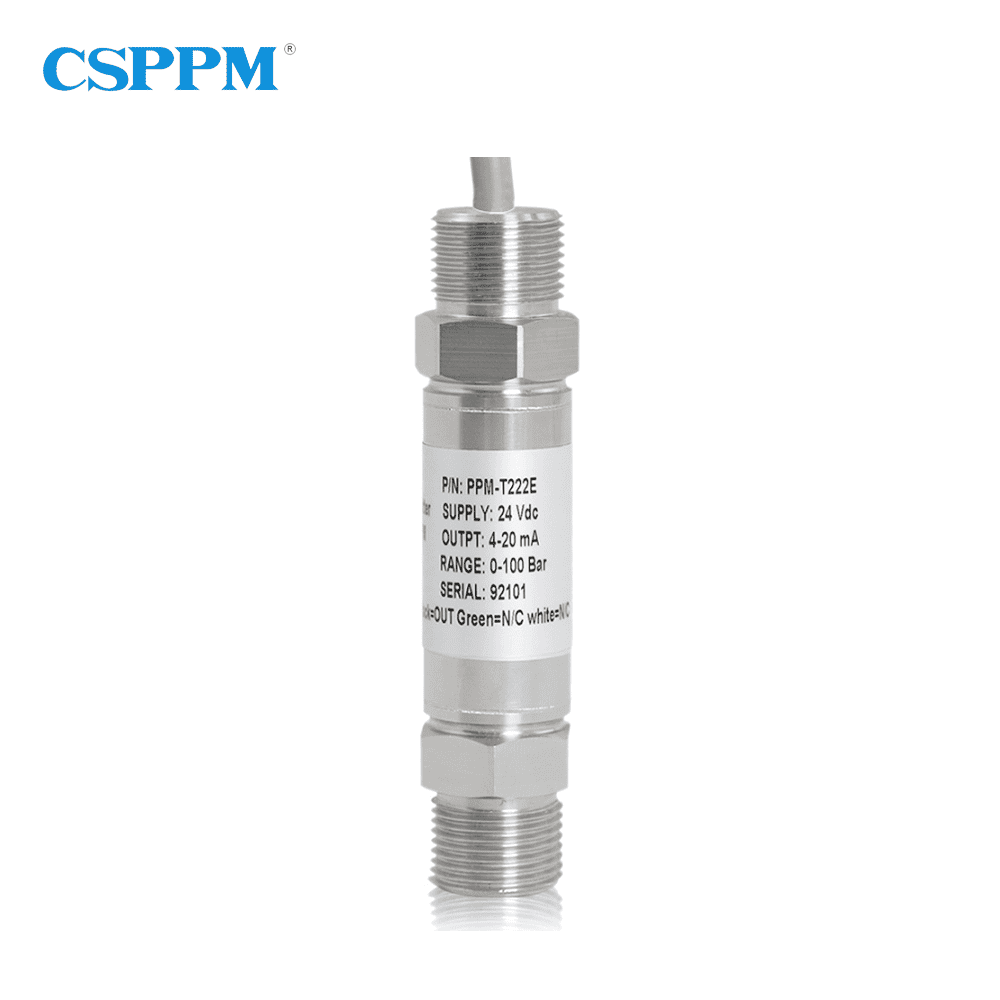
With the various models available, it’s essential to consider what differentiates explosion proof pressure sensors. They’re engineered not just for accurate measurements but also with safety mechanisms to prevent ignition in hazardous areas. This dual functionality makes them a top choice for industries dealing with flammable gases or liquids. I often recommend opting for high-quality equipment with proven reliability to mitigate potential threats to operational safety.
Looking Ahead: The Future of Explosion Proof Sensors
As technology advances, explosion proof pressure sensors are evolving too—think smarter, more reliable, and integrated systems. Imagine a future where sensors not only measure pressure but also connect seamlessly with monitoring stations, providing real-time data to prevent problems before they arise. Incorporating features like remote diagnostics can significantly lower the risk of failures. Investing in a flameproof pressure transmitter can position your facility at the forefront of safety innovation.
Real-world Impact
Implementing modern explosion proof pressure sensors can lead to tangible benefits. For example, companies that switch to quality sensor technology often report a drop in maintenance costs by up to 30%, while simultaneously improving operational uptime. Imagine the potential savings when your equipment works flawlessly, reducing unplanned interruptions and keeping production lines running smoothly! The key takeaway here is clear: adapting to current technology isn’t just smart; it’s a game-changer.
What Should You Look for in a Sensor?
When evaluating explosion proof pressure sensors, consider three key metrics: certification standards, response time, and compatibility with existing systems. The right sensor measures accurately and integrates flawless functionality with your operational architecture. I find that this holistic approach ensures any facility is well-equipped to handle fluctuating pressure levels, a crucial factor in avoiding mishaps and maximizing efficiency. Seriously, you don’t want to skimp on safety and reliability.
Final Thoughts
In my years of experience, I’ve learned that investing in high-quality explosion proof pressure sensors is not just about compliance—it’s about creating a safer work environment. The lessons from past mistakes highlight the importance of making informed choices. Ensure that your on-site equipment meets rigorous standards and functions seamlessly within your operations. As we push forward into more advanced technology, choose reliable brands such as CSSPM Sensor to stay ahead in safety.